Candy Stripe Number -5: A Designer’s Review
As an embroidery designer who has digitized and tested thousands of fonts for commercial use, I approach every new machine embroidery design with a critical eye. When planning inventory for a personalized gift shop or an Etsy store, the difference between a bestseller and a return often lies in the quality of the digitizing. Today, I am reviewing the Candy Stripe Number -5, a fill stitch font specifically marketed for smooth stitching and professional results. My goal is to determine if this design holds up under real-world production conditions for items like baby blankets, kitchen towels, and custom tote bags.
First Impressions: Mood and Digitizing Quality
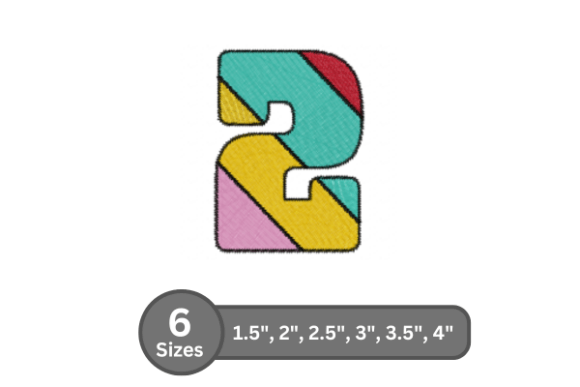
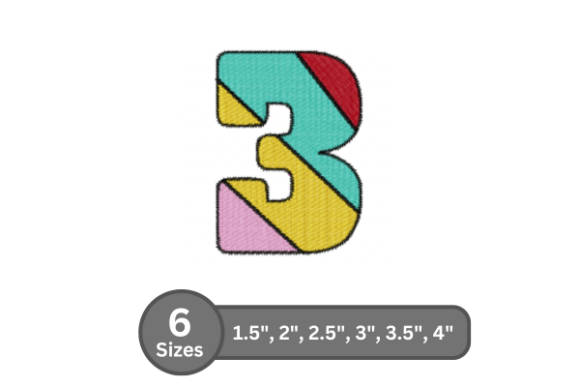
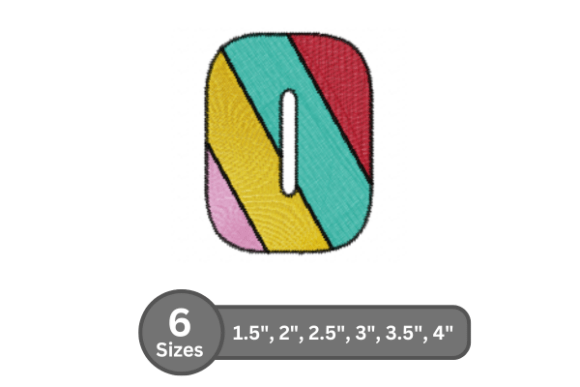
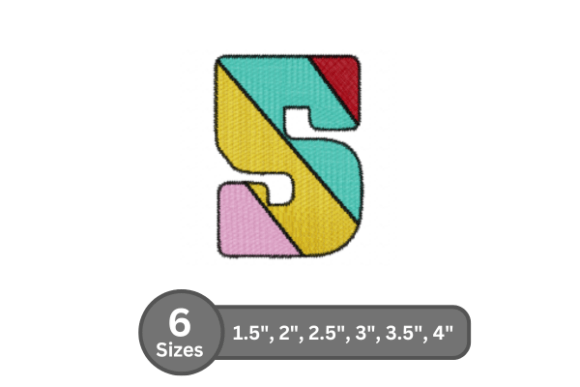
Upon loading the embroidery file into my software, the first thing that stands out is the intended mood. The name "Candy Stripe" suggests a playful, sweet aesthetic that leans heavily into nostalgia and warmth. Visually, in the digital preview, the number 5 appears balanced with a consistent column width, which is crucial for maintaining legibility when resized. For a personalized gift, emotional appeal is just as important as technical precision. This font strikes a chord that feels handmade and approachable rather than sterile or industrial.
The description notes that this was carefully digitized for smooth stitching. In my experience testing fill stitch fonts, this usually translates to optimized stitch angles and reduced jump stitches. A choppy fill stitch can ruin the perceived value of a handmade product, making it look amateurish even if the garment itself is high quality. The Candy Stripe Number -5 seems designed to mitigate these risks, offering a clean canvas for thread colors to shine without excessive texture interference.
Real-World Application: From Nursery to Kitchen
When I plan a product line, I visualize specific customer scenarios. For baby embroidery, this number is ideal for marking age milestones on nursery pillows or stitching birth dates onto receiving blankets. The softness implied by the candy stripe style aligns perfectly with infant aesthetics. Parents looking for a wedding gift or anniversary keepsake also respond well to this style; it feels romantic and timeless without being overly ornate. Stitching "5 Years" on a linen pillow cover or a custom apron creates an immediate emotional connection for the recipient.
For Etsy sellers and small business owners, versatility is key. This design transitions beautifully from delicate baby items to sturdier goods like embroidered towels. However, because it is a fill stitch, it offers better coverage on terry cloth than a simple satin stitch might, provided the density is correct. I can easily see this number anchoring a set of monogrammed kitchen linens or serving as the focal point on a canvas tote bag sold at craft fairs. The charm of Candy Stripe Number -5 elevates these everyday items into cherished keepsakes.
Technical Considerations and Fabric Limitations
Despite its versatility, no digital embroidery file is universal. As a professional, I must highlight where caution is required. Fill stitches rely heavily on proper stabilization. If you are working with stretchy baby clothes or knits, you must use an appropriate cut-away stabilizer to prevent puckering. The "candy stripe" effect requires distinct color changes or precise stitch direction; if the fabric shifts during hooping, those stripes will distort, ruining the illusion.
I would advise against using this specific number for extremely small applications. Fill stitches have a minimum viable size before they become dense, stiff patches that can damage delicate fabrics. Always check the recommended hoop size and minimum dimensions in the file details before purchasing. Additionally, while this font works wonderfully on cotton and linen, highly textured fabrics like deep-pile fleece may swallow the stripe detail. In such cases, the intricate charm of Candy Stripe Number -5 might be lost, and a simpler bold font would be more readable.
Dark fabrics present another challenge. High contrast is necessary for the stripe pattern to be visible. If stitching white stripes on navy fabric, ensure your top thread tension is perfect to avoid bobbin thread showing through, which breaks the visual continuity of the stripe. Always test on scrap fabric that matches your final project's weight and weave.
Enhancing Perceived Value and Customer Trust
In the competitive market of custom embroidery, presentation drives sales. Using a well-digitized font like Candy Stripe Number -5 signals to buyers that you care about quality. When customers see crisp, smooth stitching in your listing photos, their trust in your brand increases. This directly impacts giftability; a buyer is more likely to purchase a blanket embroidery as a shower gift if the stitching looks durable and professional.
For digital product sellers offering commercial embroidery files, providing accurate mockups is essential. Use a printable mockup or stitch-out photo that accurately represents how the fill stitch interacts with different fabric textures. Showcasing the number on both light and dark backgrounds helps buyers understand its versatility. Remember, the perceived value of your finished product is tied directly to the quality of the design source. A jagged, poorly registered number devalues the entire item, whereas the smooth finish promised by this design enhances it.
Practical Notes for Production Success
Before adding Candy Stripe Number -5 to your permanent collection or fulfilling a rush order, adhere to these professional best practices:
- Verify Licensing: Always confirm the commercial license terms included with the file. Ensure you have the right to sell finished products or resell the digital file, depending on your business model.
- Test Stitch Density: Run a test sew-out on your target fabric. If the stripes feel too stiff, you may need to adjust the density in your software or choose a lighter weight stabilizer.
- Check Color Contrast: Create mockups comparing pastel threads on white fabric versus vibrant threads on neutral backgrounds to showcase the design's range to potential customers.
- Hoop Stability: Because fill stitches exert more pull on fabric than running stitches, ensure your hooping technique is tight and secure to maintain registration.
- Post-Stitch Inspection: After stitching, inspect the edges of the number. Clean finishing is vital for small shop products to compete with mass-market alternatives.
Ultimately, Candy Stripe Number -5 represents a thoughtful option for makers focusing on sentimental, high-quality goods. Whether you are creating a school spirit item, a wedding memento, or a nursery essential, the success of the project relies on respecting the technical requirements of the design. By pairing this charming font with proper stabilizers, appropriate fabrics, and rigorous testing, you transform a simple digital file into a tangible expression of care that customers will treasure for years.