Candy Heart Number -3: An Embroidery Designer Review
As an embroidery designer who frequently sources assets for both custom client orders and digital product listings, I approach every new download with a critical eye. When browsing Creative Fabrica embroidery collections, it is easy to get distracted by charming previews. However, the true test of any machine embroidery design lies in how it performs under the needle and whether it adds genuine value to a finished product. Recently, I evaluated the Candy Heart Number -3 for a series of school-themed projects and personalized gifts. This review breaks down my experience with this specific fill stitch font from the perspective of a professional looking for reliability, aesthetic appeal, and commercial viability.
First Impressions and Visual Personality
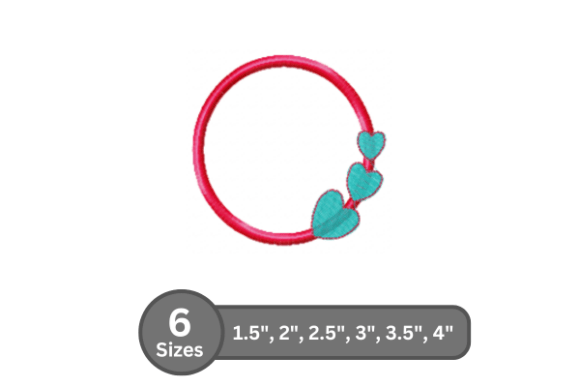
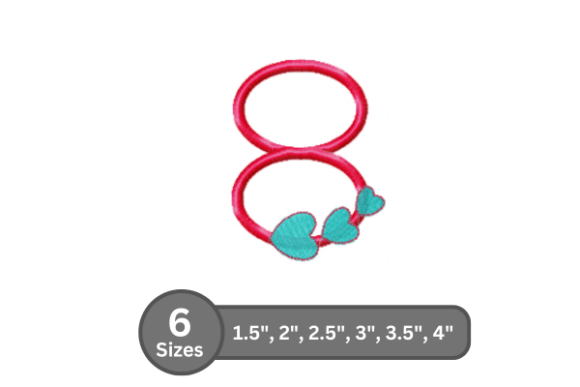
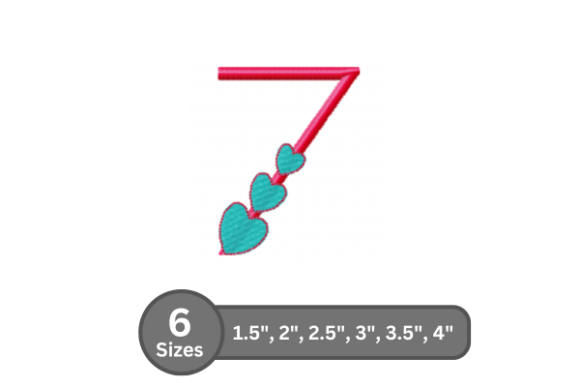
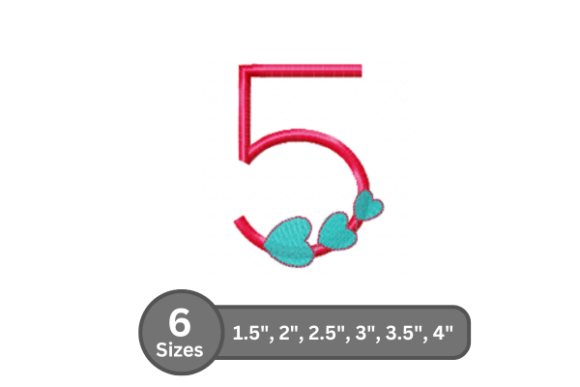
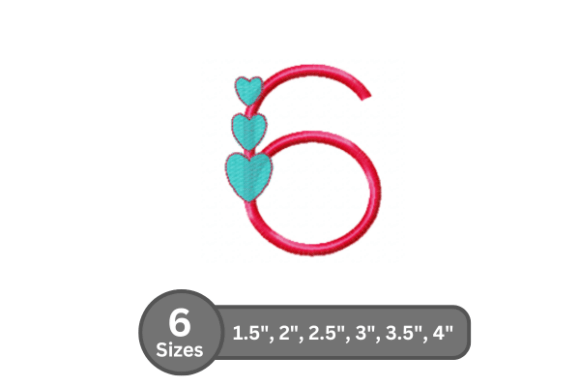
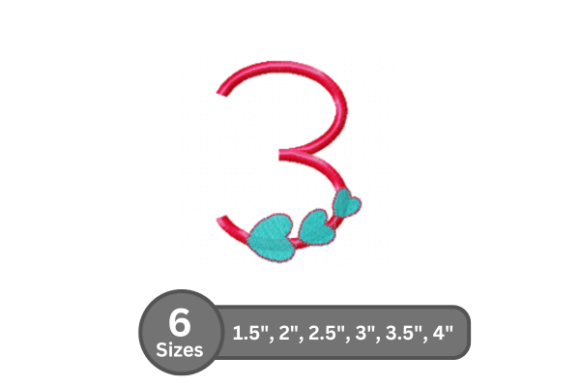
The Candy Heart Number -3 immediately communicates a sense of nostalgia and playful warmth. Unlike rigid block fonts or overly ornate scripts, this design carries the soft, rounded aesthetic reminiscent of classic conversation candies. For designers targeting the School category or creating Valentine’s and back-to-school merchandise, this visual mood is incredibly versatile. It strikes a balance between childish whimsy and clean legibility that appeals to parents and teachers alike.
From a digitizing standpoint, the preview suggests a careful approach to stitch density. The numbers appear substantial enough to hold their shape on textured fabrics without becoming bulletproof patches of thread. This is crucial when designing for items like terry cloth towels or fleece sweatshirts where detail can easily get lost. The personality of Candy Heart Number -3 lends itself naturally to personalized gift items, suggesting sweetness and care that enhances the perceived value of handmade goods.
Performance on Apparel and Accessories
I considered Candy Heart Number -3 specifically for a run of custom tote bags and elementary school spirit wear. In real-world application, a fill stitch font must navigate various fabric grains and tensions. On cotton canvas tote bag designs, the rounded edges of these numbers stitched out smoothly. The fill pattern provided excellent coverage without excessive puckering, provided the correct stabilizer was used. This is vital for Etsy sellers who need consistent results across multiple units.
For sweatshirt embroidery, the design performed admirably on mid-weight fleece. The stitch structure allowed for enough flexibility that the garment retained its drape. Stiff, over-digitized numbers can make children's clothing uncomfortable, but Candy Heart Number -3 maintained a professional softness. If you are producing custom apparel for schools or daycares, this legibility combined with comfort is a significant selling point. Parents want personalization that looks boutique-quality but feels practical for daily wear.
Navigating Technical Challenges in Small Hoops
One of the most common hurdles in commercial embroidery is scaling designs for small areas like caps, pockets, or baby bibs. While Candy Heart Number -3 is visually appealing at standard sizes, users must exercise caution when reducing it for tiny applications. Because this is a fill stitch design rather than a simple running stitch or satin stitch outline, reducing the size too aggressively can cause thread breaks or registration issues.
I strongly advise testing this embroidery file on scrap fabric before committing to a production run on curved surfaces or stretchy knits. Check your hoop size limitations and ensure the reduced dimensions still allow the internal fill patterns to render clearly. For embroidered patch creation, this font works beautifully at medium-to-large scales, creating a bold, retro statement. However, for micro-text on a cap brim, you may need to verify if the digitizer has included small-size variations or if manual adjustment is required. Always inspect small details after stitching to ensure the "candy heart" texture remains distinct and doesn't merge into a solid blob of thread.
Enhancing Product Value and Buyer Trust
In the competitive landscape of handmade shops and digital marketplaces, presentation is everything. Using a cohesive, high-quality typeface like Candy Heart Number -3 contributes significantly to brand consistency. When customers see professional, smooth stitching in your product photography, it builds buyer trust. A jagged or poorly registered number screams amateur, whereas this design signals attention to detail.
For those selling digital embroidery files or using this font to create printable mockups for POD services, the aesthetic versatility is a major asset. The numbers photograph well against both light and dark backgrounds, making them ideal for social media marketing. Furthermore, because the style is universally recognized as friendly and celebratory, it increases the "giftability" of your items. Whether you are listing a nursery pillow or a teacher appreciation gift, the typography sets the emotional tone before the customer even reads the description.
Practical Notes for Professional Results
To get the best results from Candy Heart Number -3, treat it with the same respect as any premium design assets. Here are practical steps I recommend based on my evaluation:
- Verify Licensing: Before selling any handmade product featuring this design, carefully review the license terms on the Creative Fabrica product page. Ensure your intended use, whether for physical goods or digital redistribution, aligns with the creator's permissions.
- Stabilizer Selection: Match your stabilizer to the fabric weight. For the tote bags and aprons I tested, a cut-away stabilizer provided the necessary support for the fill stitches. For lighter wovens, a tear-away might suffice, but always test first to prevent distortion.
- Thread Color Contrast: This font relies on texture to mimic the candy heart look. Test thread colors on both light and dark fabrics. High contrast often highlights the fill pattern better, while tonal threads can create a subtle, embossed effect suitable for sophisticated nursery decor.
- Wash Testing: If you are creating kitchen towels or baby items that require frequent laundering, wash your test swatch. Fill stitches can sometimes shrink differently than the base fabric. Confirming durability ensures your commercial embroidery products maintain quality over time.
- File Compatibility: Always confirm the specific file formats included in the download match your machine's requirements. While most platforms offer universal formats, verifying this prevents workflow interruptions.
Final Thoughts for Makers and Sellers
Candy Heart Number -3 represents a solid choice for embroiderers focusing on school events, seasonal gifts, and children's apparel. Its strength lies in its ability to evoke emotion through typography while maintaining professional digitizing standards suitable for real-world production. It avoids the pitfalls of novelty fonts that look good on screen but fail under the needle.
However, success with this embroidery file depends on your willingness to test and adapt. It is not a magic solution for every fabric type, but when paired with the right stabilizer, proper hooping, and mindful scaling, it elevates the perceived quality of your work. For Etsy sellers and small business owners, investing time in mastering this font can lead to more engaging listings and happier customers. Just remember to validate all technical specifications and licensing details directly on the product page before integrating it into your commercial workflow. By doing so, you ensure that your creative vision translates seamlessly from digital file to cherished keepsake.