Candy Stripe Number -1: A Designer’s Stitch Test
First Impressions: Playful Structure for School Projects
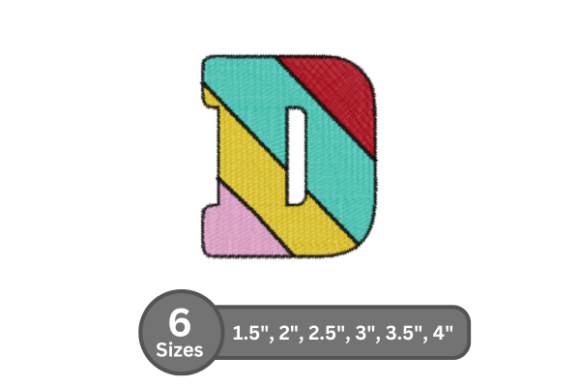
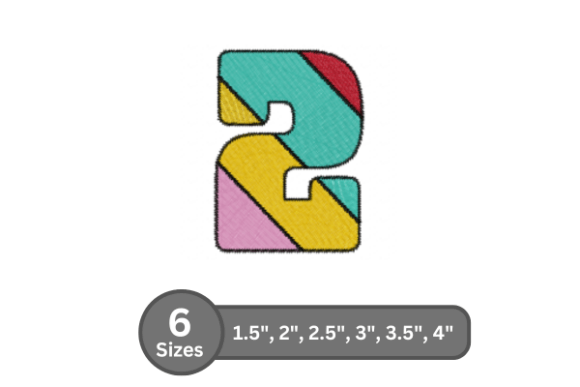
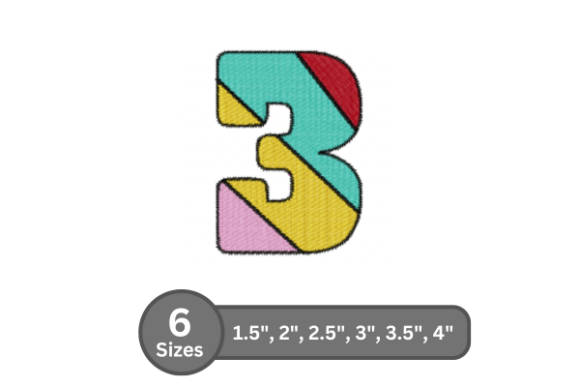
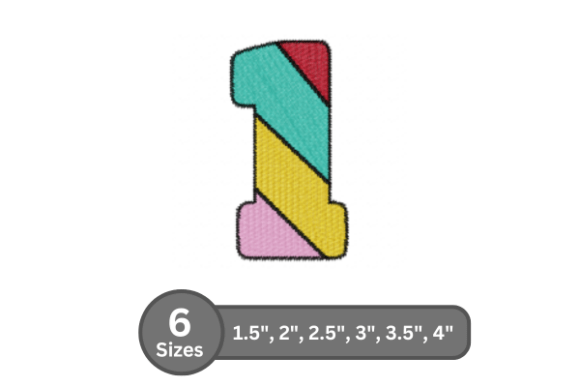
When evaluating a new machine embroidery design, my first question is always about personality. Does the digitizing convey a specific mood, or does it feel generic? Upon loading the Candy Stripe Number -1 into my software, the visual intent is immediately clear. This isn't just a utility font; it carries a distinct, nostalgic charm that feels inherently connected to the School category without being childish. The stripe pattern creates a sense of movement and rhythm within the numeral itself, suggesting a level of detail that separates it from standard block lettering.
As a reviewer who has tested countless fonts for custom apparel and boutique merchandise, I appreciate that this design uses a fill stitch approach rather than relying solely on satin columns. Satin stitches can sometimes look too formal or shiny for casual wear, whereas the textured fill in Candy Stripe Number -1 mimics the appearance of woven fabric or printed vinyl. This makes it an excellent candidate for projects where you want the embroidery to feel integrated into the garment rather than sitting heavily on top of it. For makers creating spirit wear, classroom labels, or retro-inspired personalized gifts, this aesthetic balance is crucial for buyer engagement.
Real-World Application: Stitching a Custom Tote Bag
To truly judge the viability of this digital embroidery file, I moved beyond the screen and set up a real-world test. My scenario involved personalizing a natural canvas tote bag design for a teacher appreciation gift. Canvas is a fantastic medium for testing because its texture can either enhance a design or swallow small details. I wanted to see if the candy stripe motif would remain crisp against the coarse weave of the fabric.
The stitching process was surprisingly smooth. Because this is a carefully digitized fill stitch font, the machine didn't struggle with excessive jumps or trims, which is often a pain point when working with multi-colored stripe patterns. On the tote bag, the number popped beautifully. The contrast between the cream canvas and the colored thread highlighted the stripe definition without requiring excessive stitch density. This is a massive win for Etsy sellers and small shop product creators because lower density means less puckering on natural fibers and faster run times. The finished result looked professional and handmade, striking that difficult balance between polished manufacturing and artisanal craft. It transformed a basic blank into a high-value handmade product that felt worthy of a higher price point.
Fabric Compatibility and Stabilizer Strategy
While the Candy Stripe Number -1 performed exceptionally well on canvas, every embroidery project requires specific adjustments. When moving this design to stretchy fabrics like sweatshirt fleece or jersey knits for sweatshirt embroidery, your stabilizer choice becomes non-negotiable. Fill stitch designs with internal color changes or texture can distort knit fabrics if not properly supported. I recommend using a medium-weight cutaway stabilizer for any stretch application to maintain the geometric integrity of the stripes.
For lighter items like baby embroidery on onesies or cotton tea towels, be mindful of the design's footprint. While the description notes it is perfect for clothing and towels, the stripe detail requires enough space to be legible. If you are working with a 4x4 hoop size, ensure the number hasn't been scaled down so much that the stripes merge into a muddy solid color. Always check the minimum recommended size in your file metadata. On dark fabrics, consider how the stripe colors interact with the base material. High contrast is generally safer for maintaining the visual clarity of the pattern, especially on textured surfaces like terry cloth towels where fine details can get lost in the pile.
Commercial Viability for Makers and Sellers
For creative entrepreneurs and commercial embroidery businesses, time is money. A major advantage of Candy Stripe Number -1 is its efficiency. Unlike complex applique design files that require multiple stops, fabric placements, and tack-downs, this fill stitch font runs continuously. This predictability allows for accurate quoting on custom orders. When I review design assets for business use, I look for reliability as much as beauty. You need to know that the tenth towel will stitch out exactly like the first.
This design also translates exceptionally well to digital marketing. Before stitching, I always test designs in black and white mockups and color previews. The bold, graphic nature of the candy stripe pattern reads clearly even in low-resolution thumbnails or printable mockup listings. For Etsy seller success, your listing photos must communicate quality instantly. This font has enough visual interest to stop the scroll, yet enough simplicity to remain readable at small sizes. Whether you are selling physical holiday embroidery items or offering personalization services, this typeface supports a cohesive brand identity that looks intentional and established.
Designer Notes: Best Practices Before You Stitch
Before adding Candy Stripe Number -1 to your production lineup, adhere to these practical checkpoints to ensure professional results:
- Test on Scrap Fabric First: Never assume settings transfer perfectly between materials. Run a test on the exact fabric and stabilizer combination you plan to use for the final finished product.
- Verify Thread Color Contrast: The stripe effect relies on differentiation. If using tonal threads, the texture may disappear. Ensure your thread colors provide enough separation to define the pattern.
- Check Licensing Terms: Confirm whether your purchase includes commercial rights for selling physical goods or if it is limited to personal use. This is vital for protecting your craft business.
- Inspect Small Details: Zoom in within your embroidery software to check for tiny gaps or overlapping stitches that might cause thread breaks on delicate fabrics.
- Evaluate Washability: For items like kitchen towels or baby clothes that face frequent laundering, ensure the fill stitch density is sufficient to prevent fraying over time.
- Mockup Validation: Create both light and dark background mockups to see how the design performs across different product variations before listing.
Final Verdict on Versatility
Candy Stripe Number -1 earns its place in a professional digitizer's library by bridging the gap between novelty and utility. It avoids the trap of being too cutesy for adult markets while retaining enough character to elevate simple school projects. Its performance on the tote bag test demonstrated that it respects the substrate, adapting well to fabric texture without overwhelming it. For makers focused on custom apparel, personalized accessories, and boutique branding, this embroidery file offers a reliable path to distinctive, sellable products. Just remember to respect the technical requirements of fill stitch on stretch fabrics, and this design will serve as a dependable asset for seasons to come.