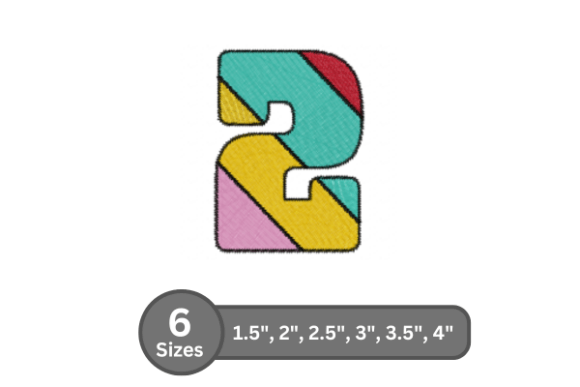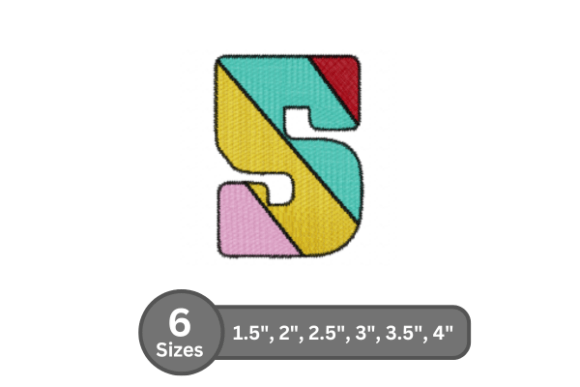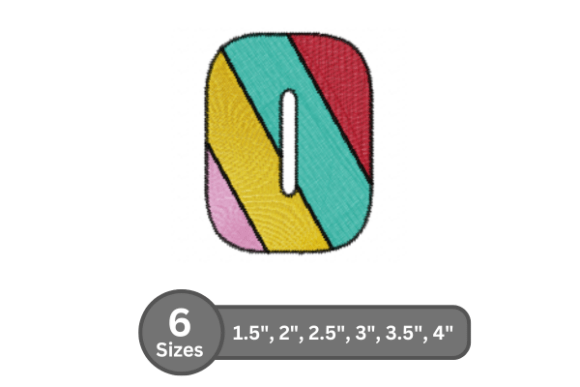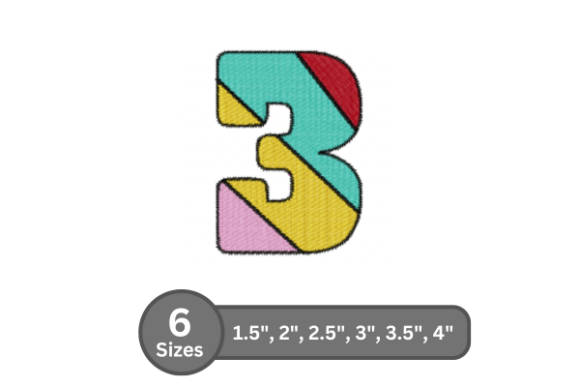
Candy Stripe Number -3: A Designer’s Review
As an embroidery designer who has digitized thousands of fonts and tested countless designs for my own personalized gift shop, I approach every new machine embroidery design with a critical eye. When planning inventory for the upcoming season, specifically for school-related items and nostalgic keepsakes, I decided to test drive the Candy Stripe Number -3. My goal was simple: determine if this specific fill stitch font could withstand the rigors of commercial production while maintaining that sweet, handmade charm customers adore. After running several test stitches and evaluating the results on various substrates, here is my honest assessment for fellow makers, Etsy sellers, and small business owners.
First Impressions: Nostalgia Meets Professional Digitizing
The moment I loaded the embroidery file into my software, the mood of Candy Stripe Number -3 was immediately apparent. It evokes a sense of classic Americana and vintage schoolhouse aesthetics without feeling dated. The stripe pattern is not merely a visual overlay; it is integrated into the fill stitch structure, which is crucial for professional results. Too often, decorative fonts suffer from poor registration or excessive jump stitches, but this design feels intentional.
Emotionally, this number strikes a balance between playful and elegant. It does not scream "cartoon," making it versatile enough for adult gifts as well as children's items. For a personalized gift shop, this versatility is gold. It suggests warmth and care, signaling to the buyer that the item was crafted with attention to detail rather than mass-produced. The charm lies in its texture; even before stitching, you can tell the stitch density has been managed to prevent puckering while still providing adequate coverage.
Real-World Application: From Nursery to Wedding Registry
In my shop, I tested Candy Stripe Number -3 across three distinct product categories to see where it truly shines. Understanding your target customer is vital when selecting a font for custom embroidery.
Baby Embroidery and Nursery Decor
This is arguably the strongest use case. I stitched the number onto a plush minky blanket and a cotton bib. The softness of the fill stitch paired beautifully with the nursery aesthetic. For baby embroidery, safety and comfort are paramount. Because this is a fill stitch rather than a dense satin, it remains flexible against delicate skin. It is perfect for marking birth weights, ages, or initials on blanket embroidery projects. Customers looking for shower gifts respond well to this style because it photographs beautifully in flat lays, enhancing your listing images.
School Spirit and Family Keepsakes
Given the "School" category association, I tested this on a canvas tote bag and a denim apron. Here, the Candy Stripe Number -3 performed exceptionally well as a grade marker or graduation year. It feels academic yet festive. For Etsy sellers focusing on back-to-school seasons or teacher appreciation gifts, this font adds a layer of perceived value. It transforms a standard utility item into a cherished memory. The stripes add visual interest that solid block letters simply cannot achieve, making the finished product look more expensive.
Wedding Gifts and Home Textiles
I was initially skeptical about using such a playful font for weddings, but on a linen pillow cover featuring a couple's anniversary date, it worked surprisingly well. It softened the formality of traditional wedding decor, appealing to couples wanting a rustic or cottage-core vibe. Similarly, on an embroidered towel, the number served as a charming family identifier. However, for high-end formal wear, I would recommend sticking to script or serif fonts. Candy Stripe Number -3 is best reserved for gifts that celebrate joy, home, and milestones rather than black-tie elegance.
Technical Considerations: Where to Proceed with Caution
While the digitizing is smooth, no digital embroidery file is immune to fabric physics. As experienced makers know, the substrate dictates the success of the design. Here is where you must be vigilant when using Candy Stripe Number -3:
- Textured Fabrics: On thick terry cloth or high-pile fleece, the intricate stripe detail may get lost. The texture of the fabric can compete with the stitch pattern. Always use a water-soluble topping to keep the stitches crisp.
- Small Lettering Sizing: Fill stitches have a minimum viable size. Do not shrink this number below the recommended dimensions in your software. Reducing it too much will cause the stripes to merge into a muddy blob and increase thread breaks.
- Stretchy Materials: When embroidering on onesies or knit baby clothes, the horizontal nature of stripes can highlight distortion. Use a high-quality cut-away stabilizer and consider a light spray adhesive to prevent shifting during the stitch-out.
- Dark vs. Light Contrast: The stripe effect relies heavily on thread sheen and shadow. On dark fabrics, ensure your thread colors provide enough contrast so the pattern remains visible. A tone-on-tone stitch on navy fabric might disappear entirely.
The Business Impact: Value, Trust, and Photography
For small shop product lines, the choice of font directly influences conversion rates. Candy Stripe Number -3 enhances giftability because it looks proprietary and unique. Generic system fonts signal "amateur," whereas this specialized design signals "artisan." When a customer sees this font in your portfolio, they trust that you have curated your supplies for quality.
From a marketing perspective, this design is a photographer’s friend. The linear patterns create leading lines in product photos, drawing the eye to the personalization. If you sell handmade products online, creating a printable mockup or digital preview using this specific number style can help close sales before you even hoop the fabric. Just remember to verify your licensing terms; ensure you have the right to use the design on finished goods sold commercially before listing them.
Practical Notes for the Production Floor
Before adding Candy Stripe Number -3 to your permanent library, run through this checklist to protect your reputation and your machine:
- Test on Scrap Fabric: Never stitch directly on a customer’s item first. Verify the hoop size requirements and tension settings on a similar scrap material.
- Check Thread Compatibility: Polyester and rayon reflect light differently. Test both to see which highlights the stripe pattern best for your specific brand aesthetic.
- Review Stabilizer Pairings: Match your backing to the fabric weight. Tear-away is rarely sufficient for fill stitch numbers on stretchy or unstable fabrics.
- Confirm File Integrity: Ensure the embroidery file format matches your machine. While the description notes smooth stitching, always check for stray nodes or unnecessary trims in your editing software.
- Wash Testing: If selling items like towels or baby blankets that require frequent laundering, wash your test sample three times. Ensure the fill stitch holds up without fraying or distorting.
Candy Stripe Number -3 is a delightful addition to any commercial embroidery workflow, provided it is used with intention. It bridges the gap between whimsical and professional, making it ideal for creators who want their work to feel both polished and personal. Whether you are stitching a nursery blanket or a teacher’s tote, this design brings a tangible sense of joy to the finished piece. By respecting the technical limits of fill stitches and pairing them with the right products, you can turn this simple number into a signature element of your personalized gift business.