Teaching with Flair: A Designer’s Apparel Review
As an embroidery designer constantly scouting for fresh assets to elevate boutique apparel collections, I approach every new Creative Fabrica embroidery find with a critical eye. When preparing a seasonal line of sweatshirts and hoodies, the difference between a generic craft project and a premium handmade product often lies in the design's personality and technical execution. "Teaching with Flair" immediately caught my attention as a potential anchor piece for a school-themed or whimsical lifestyle collection. This review breaks down how this specific machine embroidery design performs when translated from a digital file to finished garments, focusing on real-world application for Etsy sellers and small clothing brands.
Visual Personality and First Impressions
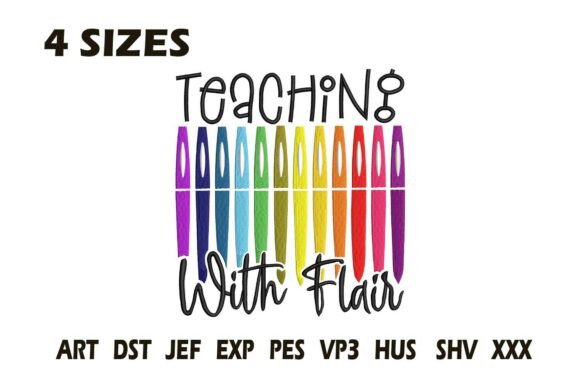
The first thing that stands out about Teaching with Flair is its distinct visual mood. It strikes a balance between playful charm and structured elegance, avoiding the overly juvenile aesthetic that sometimes plagues school-category designs. For a boutique brand, this maturity is essential. The design feels curated rather than cluttered, making it suitable for adult-sized apparel like oversized crewnecks and mom-fit tees, not just children's wear.
From a design perspective, the whimsical touch mentioned in the product description translates well to modern aesthetics. It possesses enough decorative strength to stand alone as a center chest piece but retains enough negative space to feel breathable on fabric. This versatility is crucial for custom apparel creators who need a single embroidery file to work across multiple garment styles without looking out of place. The artwork suggests a softness that pairs beautifully with matte fabrics, implying a stitching style that likely avoids harsh, plastic-like sheens in favor of a more organic, textured finish.
Performance on Sweatshirts and Hoodies
When planning a hoodie or sweatshirt collection, fabric texture is the primary variable. Teaching with Flair appears optimized for these heavier knits. On a neutral-colored sweatshirt, such as oatmeal, sage, or slate grey, the design provides necessary contrast without overwhelming the garment's cozy vibe. For sweatshirt embroidery, the scale seems appropriate for a 4x4 or 5x7 hoop placement, allowing for crisp detail even on fleece-backed materials.
For hoodie design placements, specifically on the left chest or centered above the kangaroo pocket, the composition maintains legibility and visual weight. Many designs fail here because they are too sparse for the thick pile of hoodie fabric; however, the "flair" in this title suggests adequate coverage. When stitching on dark apparel like navy or charcoal, I recommend testing high-contrast thread colors. Pastel threads on dark fleece can sometimes get lost if the underlay isn't sufficient, so verifying the digitizing quality through a test stitch-out is vital before committing to a full production run.
Versatility Across Boutique Merchandise
Beyond standard tops, this design holds significant promise for expanding a shop’s inventory. Tote bags and denim jackets are staples for small shop product lines, and Teaching with Flair adapts well to these substrates. Denim, being a stable woven fabric, allows for sharper registration than knits, meaning the intricate details of this whimsical design will pop with professional clarity. For tote bags, the design adds a personalized, artisanal feel that justifies a higher price point compared to screen-printed alternatives.
For Etsy sellers relying on digital marketing, the aesthetic of this design lends itself to beautiful lifestyle photography. It photographs well because of its balanced composition, making it easier to create engaging social media graphics and printable mockups. When customers browse listings, they are buying the *vibe* as much as the stitch file. A design that looks premium on-screen typically converts better, provided the physical output matches the digital promise. This design’s inherent charm supports that conversion by evoking nostalgia and warmth, key emotional triggers for buyers in the education and lifestyle niches.
Technical Considerations for Professional Results
While the aesthetic is strong, successful commercial embroidery requires technical diligence. Before adding Teaching with Flair to your permanent library, you must verify specific parameters. Always check the stitch density relative to your target fabric. If the design is too dense for a lightweight t-shirt, it will cause puckering and drape issues. Conversely, if it is too light for heavy fleece, it may look cheap. As the product details do not specify exact counts, downloading the file and running a simulation in your software is a non-negotiable step.
Stabilizer choice will dictate the final quality. For stretchy knit fabrics like ribbed cuffs or jersey tees, use a cut-away stabilizer to prevent distortion during wear. For towels or home decor items mentioned in the description, a water-soluble topping is essential to keep the stitches from sinking into the pile. Always confirm the hoop size requirements listed in the Creative Fabrica product details to ensure compatibility with your machine setup. Never assume a design fits your largest hoop without checking the actual dimensions.
Navigating Fabric Challenges
- Stretchy Fabrics: Use adhesive spray with cut-away stabilizer to minimize shifting. Test on a scrap of the exact garment material first.
- Fleece and Minky: These fabrics can swallow fine details. Ensure the design has adequate underlay or consider adding a layer of tear-away backing for extra support.
- Curved Surfaces: When hooping sleeves or curved bag panels, ensure the design area remains flat. Distortion on curves can ruin the alignment of whimsical elements.
- Tiny Lettering: If the design includes small text elements common in school themes, verify they remain legible at smaller sizes. Some designs require resizing restrictions to maintain stitch integrity.
Building Brand Value and Buyer Trust
Incorporating high-quality designs like Teaching with Flair directly impacts perceived brand value. Customers recognize the difference between a hastily digitized freebie and a thoughtfully crafted digital embroidery file. Consistent use of premium designs builds visual consistency across your shop, fostering brand recognition. When a buyer sees a clean, well-executed design on a sweatshirt, it reinforces trust in your craftsmanship.
Furthermore, understanding licensing is part of professional presentation. Always review the Creative Fabrica license terms before selling finished apparel. Ensuring you have the right to sell physical products embroidered with this design protects your business and respects the original digitizer. This ethical foundation is as important as the stitch quality itself.
Designer’s Checklist Before Production
- Verify Specs: Confirm stitch count, format compatibility, and physical dimensions in the product listing.
- Test Stitch: Run a sample on scrap fabric identical to your production garment to check tension and registration.
- Color Audit: Compare thread colors against the fabric swatch. Adjust for contrast if using dark or patterned materials.
- Placement Check: Measure the garment to ensure the design sits correctly relative to seams, pockets, and necklines.
- License Review: Double-check commercial usage rights for both physical products and digital mockup usage.
Teaching with Flair offers a compelling blend of whimsy and wearability for apparel decorators. By treating it with the same technical rigor as any industrial asset, creative entrepreneurs can transform this charming design into a profitable cornerstone of their seasonal collections. Whether for a teacher appreciation gift line or a cozy autumn capsule, its success ultimately depends on thoughtful execution and respect for the medium.