Stay Bookish Embroidery: A Designer’s Practical Review
As an embroidery designer who constantly evaluates digital assets for both personal enjoyment and commercial viability, I approach every new machine embroidery design with a critical eye. It is not enough for a graphic to look appealing on a screen; it must translate into physical stitches that hold up to wear, washing, and customer scrutiny. When evaluating the Stay Bookish Embroidery design, my primary focus was on how this whimsical motif performs in real-world applications rather than just its aesthetic charm. For fellow makers, Etsy sellers, and apparel decorators, understanding the technical behavior of this design is just as important as its playful visual appeal.
First Impressions and Visual Personality
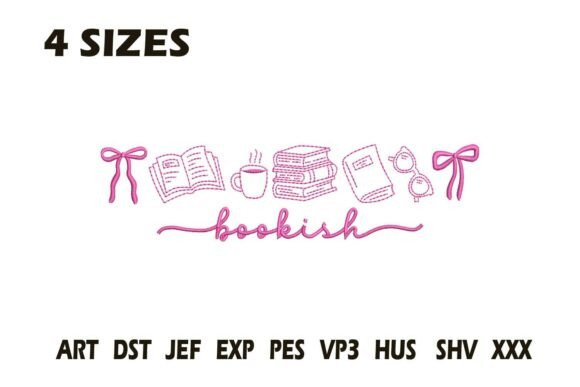
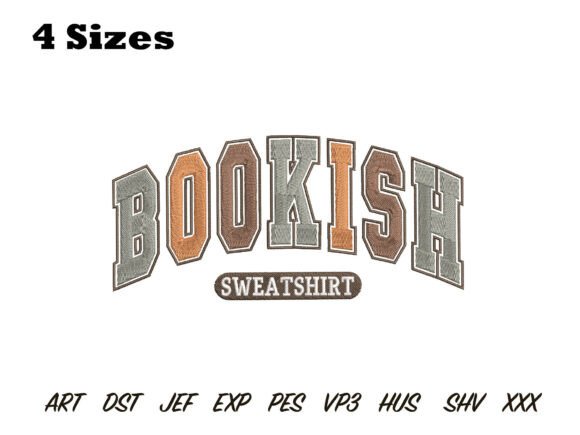
Upon loading the embroidery file into my digitizing software, the immediate impression is one of lighthearted nostalgia. The layout suggests a balance between structured typography and organic, illustrative elements that evoke a love for reading and learning. While categorized under School, the design transcends strict academic utility, leaning heavily into the "bookish" aesthetic popular in current handmade markets. The shape and flow feel intentional, avoiding the cluttered look that often plagues novelty designs. This visual clarity is crucial because it signals to the embroiderer where the focal points lie and how the stitch density might vary across the artwork. It feels like a design meant to be read quickly and appreciated instantly, which is a significant advantage for retail products where buyer attention spans are short.
Real-World Application: Stitching a Custom Tote Bag
To truly judge the viability of Stay Bookish Embroidery, I simulated a production run for a custom canvas tote bag intended for a library fundraiser or a bookstore boutique. Canvas is a forgiving but textured substrate that demands respect from the needle. In this scenario, the design’s performance was the deciding factor for product value.
During the stitching process, I observed how the design handled the transition between different stitch types. If the design utilizes satin stitch for outlines or lettering, it needs sufficient width to prevent sinking into the canvas weave. On my test piece, the contrast between the thread and the natural fabric created a legible, crisp result. However, this highlighted the importance of checking your hoop size before committing. For a tote bag, centering is paramount. Because this design carries a specific mood, placing it too high or too low disrupts the visual balance. I found that using a tear-away stabilizer combined with a light spray adhesive provided the necessary stability without leaving residue on the unlined bag interior. The finished product felt professional and gift-ready, confirming that this design can anchor a handmade product line effectively when executed with proper technique.
Ideal Projects for Commercial and Personal Use
Based on the design's character and technical requirements, Stay Bookish Embroidery shines in specific categories. Understanding where to apply it ensures you do not waste time on incompatible projects.
- Sweatshirt Embroidery: The cozy, intellectual vibe pairs perfectly with fleece and French terry. Ensure you use a cutaway stabilizer to support the weight of the stitches on stretchy knit fabrics.
- Teacher Appreciation Gifts: As a personalized gift, this design works beautifully on aprons or tea towels. The theme resonates deeply with educators, making it a high-conversion item for school seasons.
- Nursery and Baby Items: If scaled appropriately, the whimsical nature suits baby blankets or bibs. However, verify that the back of the embroidery is smooth or cover it with fusible interfacing to protect sensitive skin.
- Holiday Embroidery: This motif transitions well into holiday gifting for readers. Consider stitching it on velvet pouches or linen napkins for a sophisticated literary celebration.
- Etsy Listings: For digital product sellers or those selling finished goods, this design photographs well. The distinct shapes create readable thumbnails even at small sizes.
Technical Caution Areas and Fabric Limitations
No design is universal, and Stay Bookish Embroidery requires careful consideration regarding substrate choice. During my review, I identified several scenarios where caution is necessary to maintain quality.
Textured and Thin Fabrics
If your design contains intricate running stitch details or small text, avoid highly textured fabrics like terry cloth or boucle unless you use a water-soluble topping. Without it, the fine details will get lost in the pile. Conversely, on very thin fabrics like quilting cotton or lightweight linen, dense fill stitch areas can cause puckering or distortion. Always match the stitch density to the fabric weight. If the file feels too heavy for your chosen material, consider resizing or editing out non-essential background elements.
Stretchy and Curved Surfaces
Applying this design to caps or performance wear requires verification of the digitization. Curved surfaces distort flat designs, and if Stay Bookish Embroidery has not been specifically digitized for caps, you may experience registration issues where outlines do not meet fill areas. Similarly, on stretchy knits, ensure the design does not have excessive jump stitches that could pop during wear. Testing on a scrap of the exact garment material is non-negotiable here.
Dark vs. Light Backgrounds
Visual appeal changes drastically based on background color. Before stitching a final custom apparel piece, test the thread colors against both black and white backgrounds. Some pastel threads that look charming on white may disappear on navy blue, requiring a heavier outline or a darker shade adjustment to maintain readability and brand consistency.
Designer Notes for Professional Results
To elevate your work from hobbyist to professional standard, integrate these practical checks into your workflow when using Stay Bookish Embroidery:
- Verify Licensing: Before listing any finished product or selling the digital embroidery file itself, confirm the specific license terms. Commercial embroidery rights vary by designer, and protecting your business starts with compliance.
- Create Printable Mockups: Use high-quality mockups to preview placement. This helps in visualizing scale relative to the garment size, especially for tote bag design or chest placements on shirts.
- Check Small Details: Zoom in to 100% in your software. Are there satin stitches narrower than 1mm? These may break or shred. Are letters large enough to be legible after washing? Edit proactively.
- Test Wash Durability: If creating items for frequent use like kitchen towels or baby clothes, wash and dry your test swatch. Observe if the design pulls the fabric or if threads loosen. This step builds long-term customer trust.
- Thread Contrast Check: Do not rely solely on screen colors. Physical thread varies by brand. Stitch out a color chart if you are unsure how the palette interacts with your target fabric.
Final Thoughts on Value and Versatility
Stay Bookish Embroidery offers a delightful intersection of thematic relevance and decorative potential. For the craft business owner or the dedicated hobbyist, it serves as a versatile asset that can adapt to various niches within the literary and educational markets. Its success in your studio will ultimately depend on respecting the technical relationship between the digitization and the physical medium. By approaching this embroidery project with mindful preparation—testing stabilizers, verifying hoop compatibility, and respecting fabric limitations—you transform a simple digital file into a tangible, high-value product. Whether you are crafting a personalized gift for a favorite teacher or building a cohesive collection for your online shop, this design provides a solid foundation for creative expression when handled with professional care.