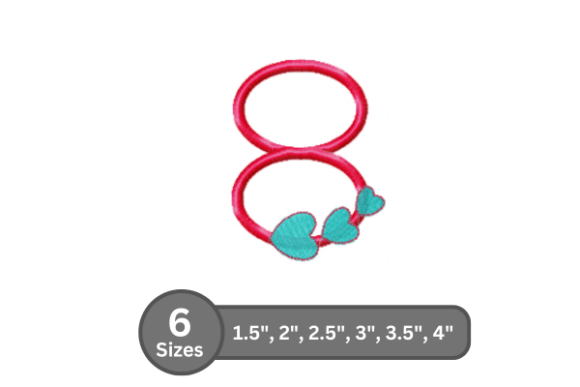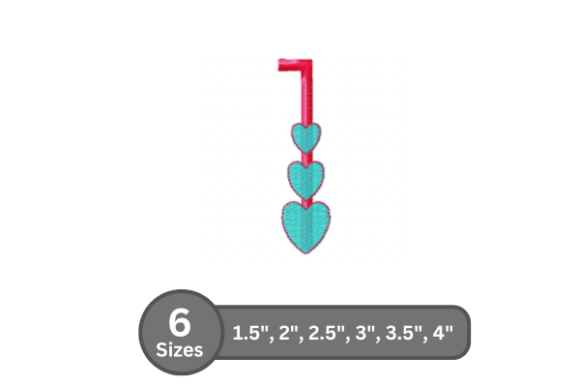
Candy Heart Number -1: A Craft Fair Review
As an experienced embroidery designer preparing for a busy weekend craft fair, I approach every new machine embroidery design with a critical eye. It is not enough for a digitized font to simply look good on a computer screen; it must perform under the needle and translate into sales at a market booth. When evaluating the Candy Heart Number -1, my primary focus is on its commercial viability for handmade vendors. This fill stitch embroidery font has been carefully digitized for smooth stitching and professional results, but how does it actually fare when applied to high-volume items like tote bags, aprons, and school spirit gear? Here is my honest assessment of this design asset from the perspective of a maker who needs reliable, sellable inventory.
First Impressions and Marketability
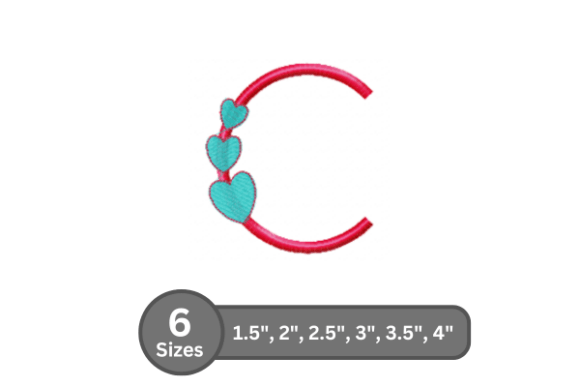
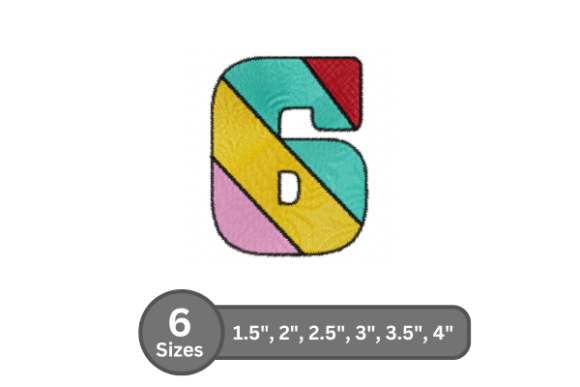
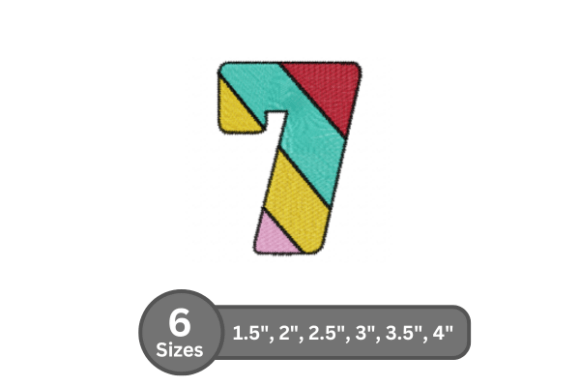
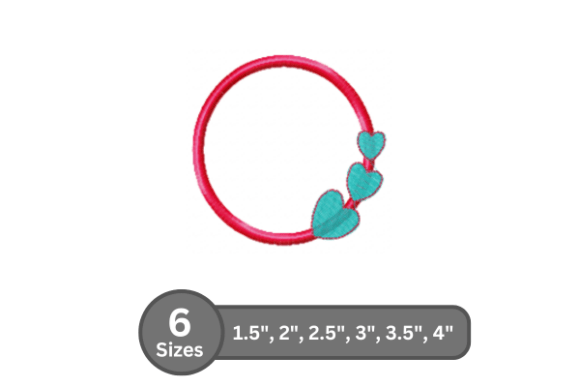
The immediate impression of Candy Heart Number -1 is undeniably sweet yet structured. Based on the title and description, this design leans heavily into a nostalgic, festive aesthetic that bridges the gap between vintage charm and modern readability. For an Etsy seller or boutique maker, this is crucial. Customers at craft fairs are often drawn to items that evoke emotion or memory, and the soft, rounded nature of candy heart typography triggers that response instantly. However, unlike flimsy novelty fonts, this design promises professional utility through its fill stitch construction.
From a production standpoint, the "smooth stitching" claim suggests optimized pathing. As someone who produces hundreds of units for market season, I cannot afford excessive jump stitches or thread breaks. If Candy Heart Number -1 truly delivers on clean digitization, it becomes a high-value asset for batch production. The visual weight appears balanced—bold enough to be read from three feet away at a crowded booth, yet detailed enough to justify a premium price point on finished goods. It feels distinctly appropriate for the School category, making it ideal for grade-level shirts, graduation keepsakes, or teacher appreciation gifts without looking overly juvenile.
Performance Across Key Products
To determine if this embroidery file earns a spot in my production queue, I evaluate it against specific product categories that drive revenue at handmade markets.
- Tote Bag Design: Canvas totes are a staple craft fair product. The fill stitch nature of Candy Heart Number -1 should provide excellent coverage on natural cotton canvas. Numbers are particularly effective here for monogramming initials with birth years or creating numbered sets for organization. The boldness ensures visibility even on unbleached fabric.
- Apron Embroidery: For kitchenware, legibility is key. This font’s structure likely holds up well on denim or twill aprons. Because it is designed for personalizing clothing and bags, the spacing should accommodate the curves of an apron bib without distorting, provided the correct hoop size is selected.
- Tea Towel Embroidery: Linen and flour sack towels require a design that doesn't pucker excessively. While fill stitches can be dense, the "carefully digitized" description implies managed stitch density. This makes it a strong candidate for date-stamping anniversary towels or creating holiday-themed kitchen textiles.
- Embroidered Patch: Creating standalone patches allows for versatile inventory. Candy Heart Number -1 would work beautifully for age-specific patches (e.g., "30," "40," "50") for birthday celebrations. The solid fill creates a durable surface that withstands washing when applied to garments later.
Practical Production and Selling Points
For fellow creative entrepreneurs, the practicality of a design dictates profit margins. Candy Heart Number -1 offers distinct advantages for business owners. First, numbers are inherently scalable across demographics. Unlike niche quotes, a number applies to ages, anniversaries, sports jerseys, and lucky digits. This repeatability streamlines inventory planning. You can embroider the same digit on ten different small shop product types, maximizing your setup time.
Photographically, this font style tends to capture light well due to the directional sheen of fill stitches. When creating a printable mockup or listing photos for digital sales, the contrast between the stitch texture and the fabric background pops. This visual appeal directly influences buyer engagement online. At a physical booth, the tactile quality of a well-digitized fill stitch signals "handmade quality" to customers touching the display samples. It elevates the perceived value beyond simple screen printing.
Critical Use Notes and Fabric Considerations
Despite its versatility, no digital embroidery file is without limitations. As a reviewer, I must highlight where caution is necessary to protect your brand reputation.
- Dense Stitch Areas: Fill stitches cover area quickly but add weight. On lightweight fabrics like voile or thin jersey, Candy Heart Number -1 could cause dragging or puckering. Always pair with appropriate stabilizer, such as cut-away for stretchy knits or tear-away for stable wovens.
- Textured Towels: When embroidering on terry cloth or plush textures, the details of a candy heart shape can get lost. Use a water-soluble topping to keep the stitches sitting on top of the pile rather than sinking in.
- Curved Cap Surfaces: While great for flat goods, applying large fill stitch numbers to structured caps requires precision. Ensure your machine speed is adjusted to prevent flagging, and verify the design fits within the safe embroidery area of your cap frame.
- Small Sizing: Although described as a font for personalizing, avoid scaling this design down too small. Fill stitches have a minimum column width; reducing the size below the digitizer's intent will result in thread buildup and poor clarity. Test the lower limits before committing to baby onesies or pocket logos.
- Dark Fabrics: High-contrast thread colors are essential. A pastel candy heart number on white fabric reads differently than on navy. For dark backgrounds, consider adding a subtle outline or using a lighter shade to maintain the "candy" aesthetic without losing definition.
Designer Recommendations for Success
Before listing any item featuring Candy Heart Number -1 as a commercial embroidery product, follow these professional protocols. Always run a test stitch-out on scrap fabric that matches your final fabric texture. Do not rely solely on software simulations. Check the registration between the number and any accompanying elements. Confirm that your hoop size provides adequate tension without marking the material.
Furthermore, review the licensing terms included with your purchase. While the description states it is designed for personalizing products, ensure you have the right to sell finished goods or use the design in mass production if that is your business model. Create at least one real sample for your booth display; customers need to see the stitch quality in person to trust the handmade product. Compare various fabric colors to build a cohesive collection that showcases the font's range.
Ultimately, Candy Heart Number -1 represents a strong opportunity for makers seeking a blend of whimsy and professionalism. Its careful digitization supports efficient production, while its aesthetic appeals to a broad customer base seeking personalized, sentimental goods. By respecting the technical requirements of fill stitch embroidery and leveraging the design's natural charm, you can turn this single font into a profitable pillar of your craft fair and online shop offerings. Whether you are making school spirit wear or heirloom tea towels, this design has the potential to become a bestseller in your portfolio.