Candy Heart Number -8: A Boutique Embroidery Review
As an embroidery designer constantly scouting for reliable digitizing to elevate my boutique apparel line, I approach every new machine embroidery design with a critical eye. When preparing a seasonal collection of sweatshirts and hoodies, the difference between a homemade craft project and a premium retail product often lies in the quality of the digitization. After reviewing the Candy Heart Number -8 on Creative Fabrica, I see significant potential for this fill stitch font to serve as a cornerstone for personalized clothing lines, provided it is applied with technical precision.
Visual Personality and Stitching Mood
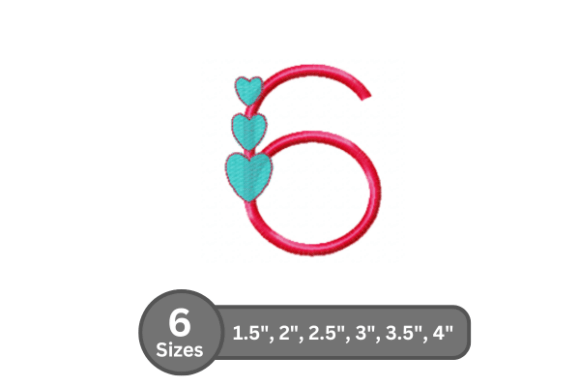
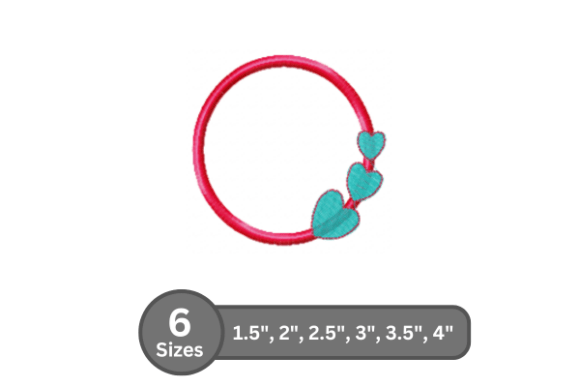
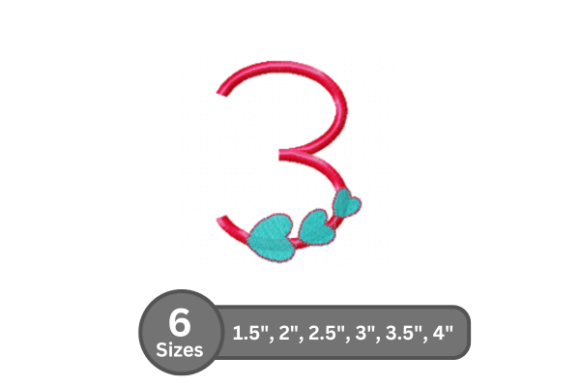
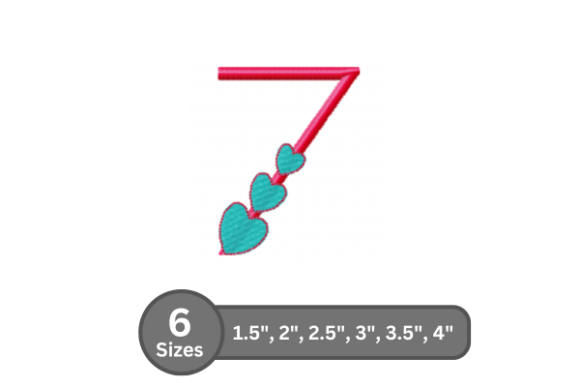
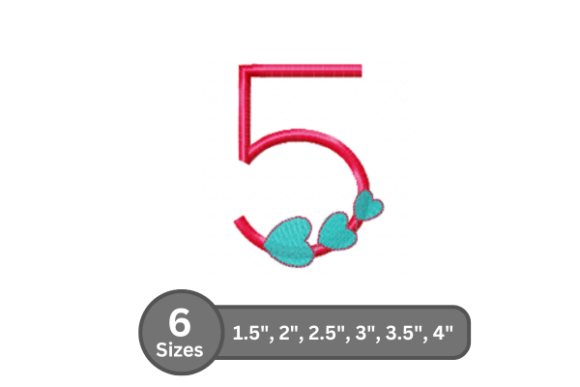
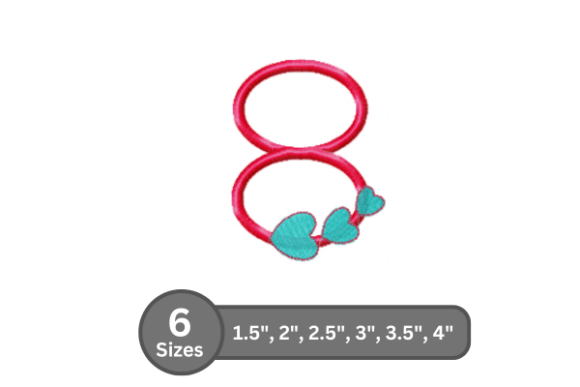
The first impression of Candy Heart Number -8 is distinctly playful yet structured. Unlike standard block fonts that can feel sterile on fashion garments, this design carries a softness that aligns perfectly with current boutique trends. The fill stitch construction gives the numbers a plush, tactile quality that photographs beautifully for lifestyle product shots and social media graphics. For an Etsy seller or small shop owner, this visual texture adds perceived value; customers can almost feel the dimensionality of the stitching through the screen.
While categorized under "School," the aesthetic transcends academic uniforms. It strikes a balance between nostalgic charm and modern minimalism. This makes it versatile enough for pastel hoodies targeting a feminine demographic, as well as neutral-toned oversized sweatshirts aimed at a unisex streetwear audience. The decorative strength of the font allows it to stand alone as a monogram-style element without requiring excessive embellishment, which keeps production costs down while maintaining a high-end look.
Performance Across Apparel Categories
In my experience testing similar fill stitch typography, performance varies drastically by garment type. Candy Heart Number -8 appears optimized for the stable surfaces typically found in sweatshirt embroidery and fleece hoodies. The density of the fill stitches provides excellent coverage on these textured fabrics, preventing the material from showing through the thread work.
- Hoodie Chest Placement: This is the ideal application. The scale of the number works harmoniously with the left-chest placement trend, offering readability without overwhelming the garment's drape.
- Sleeve Accents: Because the design is numeric, it lends itself well to vertical sleeve placements. However, designers must account for the cylindrical shape of the sleeve during hooping to prevent distortion.
- Tote Bags and Accessories: Canvas tote bags offer a stable foundation where this font will shine. The crisp edges of the digitization should translate well to non-stretch woven materials, making it perfect for matching apparel-and-accessory bundles.
- Back Designs: While usable for larger back prints, I recommend verifying the maximum dimensions against your hoop size. Large fill stitch areas on the back of a hoodie can become stiff if scaled up too aggressively.
For custom apparel brands focusing on personalization, such as graduation years, jersey numbers, or anniversary dates, this font offers a cohesive identity. Consistency in typography builds buyer trust and brand recognition. When customers see that your sizing numbers match the aesthetic of your logo and other design elements, it reinforces the professionalism of your handmade product.
Technical Considerations for Professional Results
Despite the promising description stating this is "carefully digitized for smooth stitching," real-world application requires diligence. Fill stitch fonts are inherently denser than satin stitch alternatives, which introduces specific challenges when working with stretchy knit fabrics common in boutique collections.
Navigating Fabric Texture and Stability
The primary risk with Candy Heart Number -8 on apparel is fabric distortion. Fleece and French terry have natural stretch, while fill stitches create a rigid patch. If the stabilizer choice is inadequate, the area surrounding the number may pucker or tunnel after washing. As a professional practice, I always advise using a cut-away stabilizer for knit garments rather than tear-away. A fusible mesh backing can also help anchor the fabric fibers before the needle penetrates, ensuring the design remains flat and comfortable against the skin.
Ribbed cuffs and waistbands present another challenge. The valleys of the ribbing can swallow stitch detail. If placing this number near a ribbed section, ensure there is sufficient clearance, or use a water-soluble topping to keep the stitches sitting on top of the texture rather than sinking into it.
Thread Color and Contrast Strategy
Because this is a fill stitch design, thread colors interact differently than they would with outline fonts. On dark garments, light thread colors may require additional underlay passes to prevent the fabric color from bleeding through the design. Always check the product details on Creative Fabrica regarding recommended fabric types and test on a scrap piece of the exact garment you intend to sell. A tone-on-tone approach (e.g., cream thread on an oatmeal sweatshirt) often yields a more sophisticated, luxury boutique result than high-contrast combinations, and it is generally more forgiving regarding minor tension issues.
Elevating Brand Value Through Digitization Quality
Investing in high-quality digital embroidery files like Candy Heart Number -8 directly impacts commercial viability. Poorly digitized numbers with jagged edges, excessive jump stitches, or uneven density can ruin a $40 blank sweatshirt instantly. By selecting a font described as professionally digitized, you reduce the risk of production waste and returns.
Furthermore, this specific style supports the creation of effective printable mockups. The distinct shape of the candy heart numeral is easily recognizable in digital previews, helping customers visualize the finished product before purchase. For digital sellers and creative entrepreneurs, having a signature number font creates a scalable asset. You can use the same file across t-shirts, denim jackets, and baby onesies, creating a unified collection that encourages multiple purchases from the same customer.
Designer Notes Before Production
Before listing any item featuring Candy Heart Number -8 in your shop, adhere to this pre-production checklist to ensure commercial-grade results:
- Verify Licensing: Confirm the specific license terms on the Creative Fabrica product page. Ensure you have the rights to sell physical embroidered goods and understand any limitations on digital redistribution.
- Test Stitch-Out: Never run a production batch without a test sew-out on the actual garment fabric. Inspect the registration, edge definition, and fabric hand-feel.
- Check Hoop Compatibility: Verify that the design dimensions fit comfortably within your machine’s hoop size with adequate margin for proper tensioning.
- Assess Washability: Launder your test sample to check for shrinkage or puckering. Fill stitches can sometimes pull fabric tighter after the first wash cycle.
- Review File Formats: Ensure the download includes the specific format your machine requires (.pes, .dst, .jef, etc.) to avoid conversion errors that could alter stitch paths.
Candy Heart Number -8 represents a strong option for apparel decorators seeking to blend whimsy with professional execution. Its suitability for commercial embroidery on boutique staples like hoodies and totes makes it a valuable addition to a designer's library. By respecting the technical requirements of fill stitch embroidery on knits and leveraging its unique aesthetic for brand consistency, this design can help transform simple blanks into coveted, personalized fashion pieces. Always prioritize testing and stabilization to ensure your finished product reflects the quality your customers expect.