Candy Stripe Number -6: A Craft Fair Review
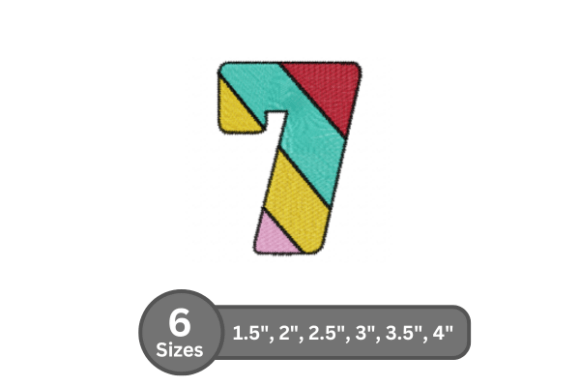
As an embroidery designer preparing for a busy weekend craft fair, my selection process is rigorous. I cannot afford to waste time on designs that cause production headaches or fail to catch the eye of a shopper walking past my booth. When evaluating the Candy Stripe Number -6, I am looking at more than just a cute aesthetic; I am assessing its viability as a high-turnover craft fair product. This fill stitch embroidery font was carefully digitized for smooth stitching and professional results, which immediately signals to me that it is intended for commercial application rather than just hobbyist experimentation. For fellow Etsy sellers, boutique makers, and creative entrepreneurs, understanding how this specific number performs in real-world scenarios is the difference between a sold-out table and leftover inventory.
First Impressions and Visual Merchandising
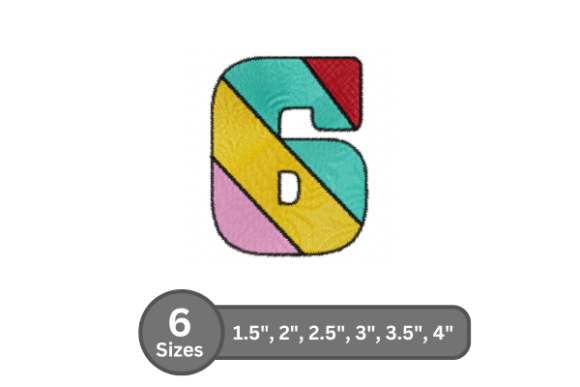
The immediate vibe of Candy Stripe Number -6 is undeniably nostalgic yet clean. It strikes a balance between playful and polished, making it versatile enough for both school-related items and general handmade gifts. In a booth setting, visual clarity is paramount. Customers often view products from three to five feet away before deciding to approach. The bold, striped fill of this design provides excellent contrast against solid fabrics, ensuring it reads clearly from a distance. Unlike intricate script fonts that can blur when viewed quickly, the structured geometry of this number acts as a visual anchor.
For my upcoming market display, I envision this number serving as a focal point on neutral backgrounds. It feels premium without being stuffy, and festive without being seasonal. This versatility is crucial for small shop owners who need design assets that work year-round. Whether positioned on a hanging tea towel or laid flat on a tote bag, the candy stripe texture adds a tactile visual interest that invites customers to touch the finished product, significantly increasing engagement and sales potential.
Best Applications for Market Sales
Determining where to place Candy Stripe Number -6 is just as important as the digitizing quality itself. Based on the fill stitch construction, this machine embroidery design excels on specific substrates commonly found at handmade markets:
- Tote Bag Design: Canvas totes are a staple for craft fairs. The density of this number holds up beautifully on heavy canvas, preventing the fabric from showing through the stitches. Personalizing bags with graduation years or lucky numbers using this font creates an instant emotional connection for buyers.
- Tea Towel Embroidery: Flour sack towels require a design that does not pucker. Because this file was digitized for smooth stitching, it minimizes the push-and-pull effect common with dense fills. A set of towels featuring these numbers makes for an attractive, giftable bundle.
- Apron Embroidery: For culinary-themed vendors, adding a establishment year or family number to an apron adds perceived value. The bold nature of the candy stripe ensures the personalization remains legible even after repeated washing and wear.
- School Spirit Gear: Given the "School" category association, this number is perfect for class reunion shirts, teacher appreciation gifts, or student organization merchandise. It offers a retro varsity feel that appeals to parents and alumni alike.
While patches and caps are popular, they present unique challenges for fill stitch designs. If you plan to use Candy Stripe Number -6 for embroidered patches, ensure your backing material is substantial enough to support the stitch count. For caps, verify that the hoop size and curvature accommodate the height of the number without distortion.
Production Efficiency and Batch Manufacturing
For commercial embroidery and batch production, consistency is king. I appreciate that this digital embroidery file prioritizes smooth stitching. Jagged edges or excessive jump stitches slow down production and increase finishing time. When I am hooping fifty tea towels for a Saturday morning rush, I need a design that runs reliably every time. The professional digitizing mentioned in the description suggests optimized pathing, which reduces thread breaks and needle changes.
Photographing this design for online listings is also straightforward. The distinct stripe pattern photographs well without moiré effects that sometimes plague complex textures. For Etsy sellers relying on printable mockups to drive pre-orders, the clear lines of Candy Stripe Number -6 translate accurately from screen to physical sample. This alignment builds trust with customers, as the finished product matches their digital expectation. Furthermore, because it is a single number, it is highly repeatable. You can batch run multiples in different thread colors simultaneously, maximizing your machine’s runtime efficiency during prep weeks.
Critical Technical Considerations
Despite its user-friendly reputation, no machine embroidery design is immune to variable factors. As experienced makers, we must exercise due diligence. Fill stitches, by nature, have higher stitch density than running stitches or simple satin columns. This means proper stabilization is non-negotiable. On lightweight fabrics or textured towels, using an inadequate stabilizer will result in cupping or tunneling around the number. Always test on scrap fabric identical to your final product before committing to a full production run.
Thread colors also play a massive role in the success of this design. High-contrast combinations (like white stripes on navy fabric) highlight the candy stripe detail best. Low-contrast pairings may cause the stripe effect to disappear, making the number look like a flat block of color. Additionally, check the minimum size recommendations. While fill stitches are durable, scaling them down too small can cause the internal stripe details to merge, resulting in a muddy appearance. Confirm the hoop size requirements in your software before purchasing to ensure compatibility with your equipment.
Designer Notes for Professional Results
To maximize the selling power of Candy Stripe Number -6, treat it as a component of a larger brand strategy rather than a standalone graphic. Here are my practical recommendations for integrating this into your business workflow:
- Create Real Mockups: Do not rely solely on digital renderings. Stitch out at least one sample on your primary selling medium (e.g., a natural cotton tote) to photograph for social media. Authentic photos convert better than generic clip art.
- Verify Licensing: Before selling any finished product or offering personalization services, confirm the commercial licensing terms included with the file. Protecting your business starts with respecting intellectual property.
- Test Thread Tension: Fill stitches cover significant surface area. Run a tension test on your specific fabric choice to ensure the bobbin thread is not pulling to the top, which ruins the clean aesthetic of the stripes.
- Evaluate Spacing: If combining this number with other text or graphics, leave adequate negative space. The boldness of Candy Stripe Number -6 needs room to breathe visually; crowding it diminishes its impact.
- Inspect Stitch Density: Use your embroidery software to review the density settings relative to your fabric weight. You may need to adjust compensation for stretchy knits versus stable wovens to maintain shape integrity.
Ultimately, Candy Stripe Number -6 represents a smart investment for handmade market vendors. It bridges the gap between technical reliability and consumer appeal. By focusing on proper application, stabilization, and presentation, this design can become a reliable revenue driver for your embroidery business. Whether you are stocking a booth for a weekend festival or fulfilling custom orders for an online shop, the professional quality of this digitized font supports the high standards our customers expect from handmade goods. Remember to always validate technical specifications like exact stitch counts and file formats within your own software environment to ensure seamless integration into your unique production pipeline.