Just Jesus Christian Embroidery: A Maker’s Review
As an experienced embroidery designer preparing for a weekend craft fair, my selection process is rigorous. I do not simply choose designs because they are aesthetically pleasing on a screen; I choose them based on stitch-out reliability, marketability, and production efficiency. When evaluating the Just Jesus Christian Embroidery design for upcoming market booths and online shops, I approach it with a critical eye toward what actually sells in person versus what looks good in a digital catalog. This review breaks down the practical application of this machine embroidery design for fellow Etsy sellers, boutique makers, and creative entrepreneurs looking to expand their faith-based inventory.
First Impressions and Market Positioning
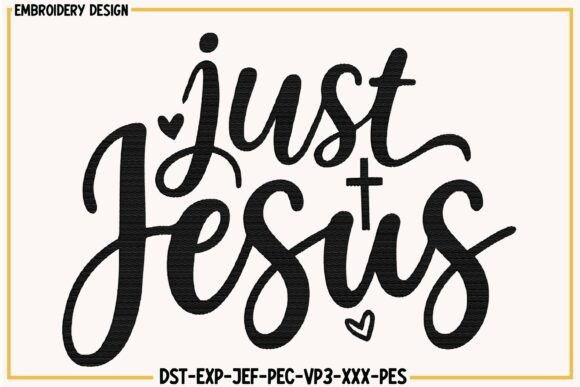
Upon loading the Just Jesus Christian Embroidery file into my software, the immediate impression is one of focused simplicity. In the crowded niche of religious goods, designs often suffer from excessive ornamentation that muddies the message when stitched on textured fabrics. This design appears to lean toward a modern, clean aesthetic rather than an overly ornate baroque style. For a craft fair product, this clarity is vital. Customers walking past a booth make split-second decisions; they need to read "Just Jesus" instantly without squinting at dense fill stitches or competing floral elements.
This minimalist strength positions the design as versatile. It does not pigeonhole the maker into a single demographic. While it fits perfectly within a church gift shop context, its clean lines allow it to transition seamlessly into general farmhouse decor, modern nursery items, or personal apparel. For those of us managing a small shop product line, this versatility reduces the risk of unsold inventory. It feels premium because it respects negative space, allowing the fabric texture to breathe rather than being completely obscured by thread.
Best Applications for Craft Fair Inventory
Determining where to place this embroidery file is just as important as the stitching itself. Based on the design's likely structure and the "Just Jesus" sentiment, here is how I evaluate its performance across key handmade categories:
- Tote Bag Design: This is arguably the strongest application. Canvas totes provide a stable, flat surface that supports crisp lettering. The phrase serves as a bold statement piece that appeals to customers looking for functional faith expressions. As a tote bag design, it offers high perceived value with relatively low production time.
- Tea Towel Embroidery: Flour sack towels are a staple at markets. However, the weave can be unforgiving. If the Just Jesus Christian Embroidery uses satin stitches, they will pop beautifully against the linen-cotton blend. If it relies on running stitches, ensure the weight is sufficient to prevent sinking into the fabric texture.
- Apron Embroidery: For vendor aprons or gifts for ministry volunteers, this design works exceptionally well centered on the bib or lower pocket area. It acts as a subtle identifier of values without being overwhelming in a kitchen or service setting.
- Embroidered Patch: Creating standalone patches allows for modular selling. Customers who may not want a full tote bag might purchase a patch to customize their own denim jacket or backpack. This maximizes the utility of a single digital embroidery file.
- Pillow Covers: Home decor requires elegance. On a neutral linen pillow, this design elevates the item from simple bedding to intentional decor. The key here is centering and ensuring the hoop size accommodates the design without excessive re-hooping.
Production Practicality and Batch Efficiency
For commercial embroidery and batch production, time is money. A beautiful design that takes three hours to stitch out is rarely viable for a $35 price point at a market. The Just Jesus Christian Embroidery appears optimized for efficiency. Text-centric designs generally have lower stitch counts than complex pictorial scenes, which translates to faster turnaround times. This makes it an ideal candidate for stocking up before a busy holiday season or church conference.
From an Etsy seller perspective, this design photographs exceptionally well. Clean typography creates strong thumbnails that remain legible even on mobile devices. When creating a printable mockup or listing photo, the contrast between the thread and the fabric does the heavy lifting. Unlike intricate landscapes that require professional lighting to show detail, text-based faith designs rely on composition and color blocking, making DIY product photography much more manageable for solo entrepreneurs.
Furthermore, the repeatability factor is high. Once you have dialed in the tension and stabilizer combination for this specific embroidery file, you can run multiple units back-to-back with minimal supervision. This consistency is crucial for maintaining brand quality across different products, whether you are stitching on caps, pouches, or garments.
Critical Technical Considerations and Careful Use Notes
Despite its apparent simplicity, no machine embroidery design is without potential pitfalls. As professionals, we must anticipate issues before they ruin merchandise. Here are the technical cautions I advise when working with Just Jesus Christian Embroidery:
- Fabric Texture Compatibility: If the design includes thin serifs or delicate script, avoid heavily textured terry cloth or waffle-weave towels. The details will get lost. Stick to smooth cottons, canvas, or linen for maximum clarity.
- Stitch Density Management: Check the density settings in your software. If stitching on dark fabrics, you may need a slight underlay adjustment to prevent the fabric grain from showing through lighter thread colors. Conversely, if stitching on lightweight summer totes, ensure the density isn't so high that it causes puckering or fabric distortion.
- Small Lettering Legibility: If you plan to resize this design down for baby onesies or small pouches, verify the minimum letter height. Satin stitch columns below 1mm often result in thread breaks or illegible text. Always test the smallest intended size before committing to production.
- Curved Surfaces: When applying this to caps or curved bags, use a specialized cap hoop and appropriate backing. Flat designs can distort on curved surfaces; you may need to slightly arc the text in your digitizing software to compensate for the cylinder shape of a hat.
- Thread Contrast: White-on-white or tone-on-tone stitching looks elegant but reads poorly in dimly lit craft fair venues. Opt for high-contrast thread colors to ensure the message captures attention from a distance.
Designer’s Checklist for Commercial Success
Before listing any finished product featuring Just Jesus Christian Embroidery, every maker should complete this validation protocol. Skipping these steps is the difference between a hobbyist and a professional business owner.
- Test Stitch-Out: Never stitch directly onto saleable inventory first. Use scrap fabric of the exact same weight and weave as your final product. Inspect registration, tension, and trim jumps.
- Stabilizer Verification: Confirm you are using the correct stabilizer type (tear-away, cut-away, or wash-away) for the specific substrate. A tea towel requires different support than a polyester cap.
- Licensing Confirmation: Crucially, review the license terms included with the digital embroidery file. Ensure you have the rights to sell physical items made with this design. Some designers restrict mass production or require attribution.
- Mockup Creation: Create at least one real-life sample for photography. Digital renderings can be misleading regarding scale and texture. Real photos build trust with buyers looking for authentic handmade product quality.
- Hoop Size Planning: Verify the design dimensions against your available hoops. Minimize re-hooping to reduce alignment errors and production time.
The Just Jesus Christian Embroidery design represents a strong opportunity for makers in the faith-based niche. Its balance of spiritual significance and aesthetic cleanliness makes it a reliable performer for both digital sales and physical market tables. By respecting the technical requirements of machine embroidery and strategically selecting substrates that enhance the design's strengths, creative entrepreneurs can turn this digital asset into a profitable, meaningful product line. Whether you are stocking an Etsy shop or setting up a weekend booth, let quality execution and thoughtful application guide your production process.