Just One More Chapter Embroidery Design Review
As a professional embroidery designer specializing in commercial applications and small business merchandise, I approach every new digitization with a critical eye toward production viability. When evaluating the Just One More Chapter Embroidery Design, my primary focus is not just its aesthetic charm, but how it translates from a digital screen to a tangible asset for brands. While the product description highlights its whimsical nature for home decor, this design holds significant potential for bookstores, libraries, literary cafes, and educational businesses looking to create cohesive brand identity through thread.
Visual Personality and Commercial Appeal
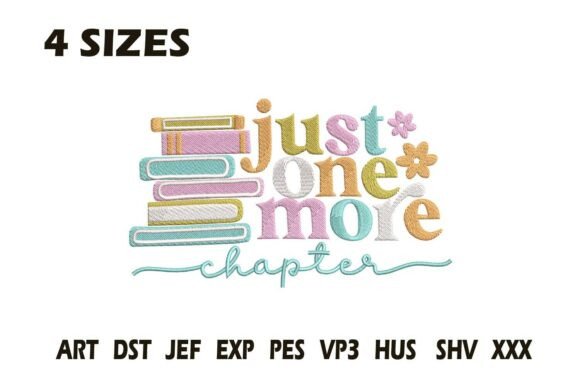
The first impression of the Just One More Chapter Embroidery Design is undeniably friendly and approachable. In the context of small business merch, this is a strategic advantage. Unlike rigid corporate logos, this design communicates warmth and storytelling, making it ideal for businesses that rely on customer connection rather than sterile professionalism. For a local independent bookstore or a creative writing studio, this machine embroidery design bridges the gap between casual and curated.
However, "whimsical" must be balanced with legibility in commercial embroidery. The playful font style suggested by the title requires careful scrutiny regarding stitch density and spacing. If the lettering is too ornate, it risks becoming illegible when scaled down for chest logos or sleeve accents. From a design perspective, this piece feels handmade and artisanal, which aligns perfectly with Etsy sellers and boutique owners who want their custom apparel to reflect a personal touch rather than mass-produced uniformity.
Real-World Applications for Small Businesses
When integrating this embroidery file into a product line, versatility is key. Based on the design’s theme and described characteristics, here is how I would deploy it across various business assets:
- Staff Uniforms and Aprons: For cafe staff or librarians, this design works beautifully as a left-chest accent on apron embroidery or polo shirts. It softens the look of a uniform while reinforcing the business's niche.
- Tote Bag Design: This is perhaps the strongest application. Canvas totes provide a stable, flat surface that accommodates the likely stitch count of this design without distortion. It transforms a functional item into a walking advertisement for literacy-focused brands.
- Embroidered Patches: Creating an embroidered patch version allows for inventory flexibility. You can stock generic patches and apply them to denim jackets, caps, or bags on demand, reducing the need for pre-decorated stock.
- Customer Gifts and Packaging: Stitching this design onto fabric gift bags or reusable wrapping cloths adds immense perceived value to a handmade product purchase, encouraging social media sharing and repeat business.
Production Considerations and Technical Constraints
While the Just One More Chapter Embroidery Design offers excellent branding opportunities, technical execution determines the quality of the finished product. As with any text-based embroidery, specific constraints must be respected to avoid production failures.
Scaling and Legibility Risks
The most common failure point for whimsical text designs is resizing. If you intend to use this for cap embroidery or small sleeve cuffs, you must verify the minimum text height. Playful scripts often have thin connecting lines that may break or tunnel if reduced below 4mm. Before committing to a bulk order of hats, test the design at your smallest intended size. If the details are lost, consider using this design exclusively for larger formats like tote bags or towel backs, and select a simpler block font for smaller cap fronts.
Fabric Texture and Stabilizer Selection
The product description mentions suitability for t-shirts and towels, but these fabrics behave differently under the needle. T-shirts are knit fabrics that stretch; without proper stabilizer and hooping technique, the design will pucker, distorting the "charming" aesthetic into a messy result. For knits, always use a cut-away stabilizer to maintain long-term shape retention after washing. Conversely, towels have high pile that can swallow fine details. If stitching this design on terrycloth for a bakery or cafe, use a water-soluble topping to keep the stitches visible and crisp against the fabric texture.
Thread Colors and Contrast
Whimsical designs often rely on color variegation or multiple thread colors to achieve their playful look. However, for business merchandise, readability trumps decoration. Ensure there is sufficient contrast between the thread and the garment. A light grey thread on a white shirt might look elegant on screen but will disappear in natural light or photographs. Always test high-contrast combinations first. If the design includes intricate shading, verify that your machine can handle the color changes efficiently without excessive trimming, which impacts production time and cost.
Strategic Branding and Customer Trust
Using the Just One More Chapter Embroidery Design is more than a decorative choice; it is a signal of brand values. In the current market, consumers associate high-quality embroidery with permanence and care. A printed logo can crack and fade, but a well-executed embroidery design suggests that the business invests in longevity. This builds trust, particularly for schools, tutors, or children’s brands where durability matters.
Furthermore, consistent use of this design across design assets creates visual recognition. When customers see the same whimsical motif on your staff apron, your shopping bag, and your social media profile, it reinforces a cohesive narrative. This consistency elevates a small business from a hobbyist operation to a professional brand. Just ensure that the whimsy matches your voice; if your brand is strictly academic or formal, this playful design might send mixed signals. But for community-focused, creative, or lifestyle brands, it is an excellent fit.
Essential Pre-Production Checklist
Before loading this digital embroidery file into your machine for a client project or personal inventory, complete this professional review checklist:
- Verify Licensing: Confirm the license terms explicitly allow for commercial use on merchandise for sale. "Personal use" licenses do not cover selling embroidered totes or uniforms.
- Check Hoop Size Compatibility: Ensure the design dimensions fit within your machine’s maximum embroidery area with adequate margin for hoop clearance.
- Create a Printable Mockup: Use software to generate a printable mockup to show clients exactly how the design will look on their specific garment color and placement before stitching.
- Test Stitch-Out: Never skip the test run. Stitch on the actual fabric you plan to use, not just scrap material, to check for tension issues or registration errors.
- Inspect Spacing and Kerning: Zoom in on the file to ensure letters are spaced adequately to prevent thread buildup, especially in script fonts.
- Wash Test: If producing items for frequent laundering (like aprons or kids' clothes), wash and dry the test sample to ensure the design remains stable and attractive.
The Just One More Chapter Embroidery Design brings a delightful narrative element to textile products. By treating it with the same technical rigor as a corporate logo, small business owners can leverage its charm to create merchandise that is both profitable and professionally enduring. Whether used for a cozy bookstore uniform or a literary festival tote, success lies in respecting the interplay between playful aesthetics and structural integrity.