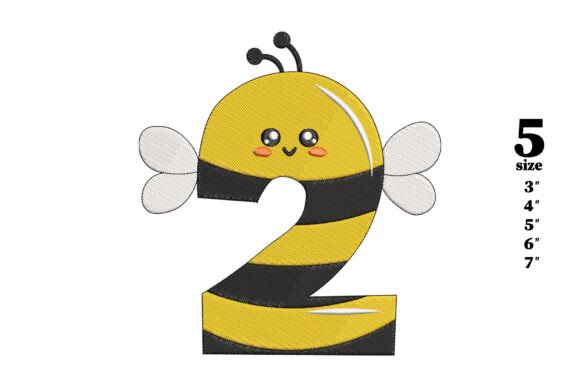
Bee in the Shape of the Number 2: A Designer Review
As an embroidery designer who manages a steady stream of custom orders for personalized gifts, I am constantly evaluating new digital assets to ensure they meet the high standards my customers expect. When planning inventory for the upcoming season, specifically for school-related milestones and second birthday celebrations, I decided to test the Bee in the Shape of the Number 2 machine embroidery design. My goal was to determine if this specific artwork could transition seamlessly from a digital file to a high-value finished product that resonates with parents, teachers, and gift-givers.
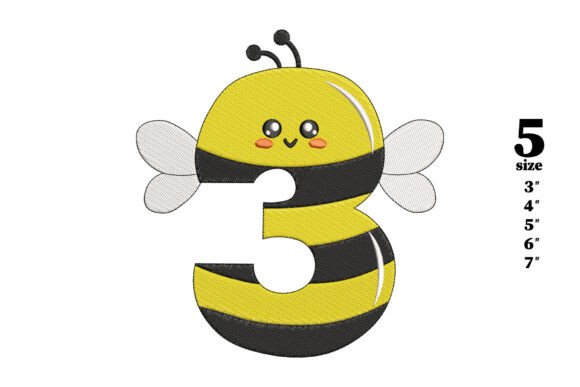
The first impression of this design is undeniably charming. It strikes a delicate balance between playful and elegant, avoiding the overly cartoonish aesthetic that can sometimes cheapen a handmade product. The integration of the apiary theme with the numeral creates a cohesive visual narrative that feels intentional rather than forced. For an Etsy seller or small shop owner, this emotional appeal is critical. It does not just look like a number; it looks like a memory waiting to be stitched. The mood is sweet and nostalgic, making it an immediate contender for nursery decor and keepsake items.
Real-World Applications for Personalized Gifts
During my testing phase, I envisioned several specific scenarios where the Bee in the Shape of the Number 2 would excel as a personalized gift. The versatility of this embroidery file allows it to cross multiple product categories without losing its identity.
- Second Birthday Celebrations: This is the most obvious application. Stitching this onto a blanket embroidery project or a custom t-shirt creates a definitive marker for a child’s age. Parents often seek unique alternatives to generic store-bought apparel for photo shoots, and this design provides that bespoke touch.
- School and Educational Themes: Given its categorization under School, this design works beautifully for teacher appreciation gifts or classroom decor. An embroidered towel or tote bag featuring this bee motif makes for a thoughtful, thematic present for an educator teaching counting or nature units.
- Nursery and Wedding Keepsakes: While primarily a number design, the elegance of the bee shape allows it to function as nursery art. I can easily see this being used on a pillow cover or wall hanging. Furthermore, for couples celebrating a second anniversary, this serves as a subtle, non-traditional wedding gift option that acknowledges their milestone with warmth.
- Craft Fair Inventory: For makers preparing for markets, this design offers quick turnaround potential. Because it is described as easy to stitch, it allows for efficient production of custom embroidery samples that attract foot traffic without tying up machines for excessive durations.
Technical Considerations and Fabric Pairings
While the Bee in the Shape of the Number 2 is marketed as high-quality and easy to stitch, professional results depend entirely on matching the design to the correct substrate. As I reviewed the digitizing, I noted specific areas where caution is required to maintain the integrity of the finished product.
Navigating Texture and Stability
The intricate details of a bee’s wings and body require a stable foundation. When testing on textured fabrics like terry cloth for an embroidered towel, I found that using a heavy-weight stabilizer was non-negotiable. Without adequate support, the stitch density can cause puckering, obscuring the fine lines that give the bee its character. For stretchy baby clothes, such as onesies or knit blankets, a cut-away stabilizer is essential to prevent distortion during wear and washing. Always perform a test stitch-out on scrap fabric that mirrors your final project's weight and weave before committing to a customer order.
Color Contrast and Visibility
This design relies on clear definition. When selecting thread colors, contrast is paramount. On dark fabrics, ensure the outline stitches are dense enough to prevent the background from showing through. Conversely, on light fabrics, avoid using white or pale yellow threads for the main body unless you want a tone-on-tone, vintage effect. For commercial embroidery intended for sale, I recommend creating both light and dark fabric mockups. This helps buyers visualize how the design adapts to different aesthetics and increases buyer engagement by reducing uncertainty.
Elevating Perceived Value and Customer Trust
In the competitive landscape of digital product sellers and handmade creators, the perceived value of your work dictates your pricing power. The Bee in the Shape of the Number 2 contributes significantly to this perception when executed correctly. A clean, well-registered stitch-out signals professionalism. Customers trust sellers who demonstrate mastery over their tools, and this design offers the opportunity to showcase that skill.
Photography plays a massive role here. Because the design is eye-catching, it photographs well, but lighting must be even to highlight the texture of the embroidery. Flat lays work exceptionally well for this type of graphic, especially when styled with complementary props like honey jars, wooden blocks, or floral elements. This styling reinforces the "handmade quality" and emotional connection that drives sales. For Etsy sellers, listing photos that show the design in context—rather than just a digital rendering—build confidence in the buyer. They need to see that the digital embroidery file translates into a tangible, beautiful reality.
Essential Pre-Stitch Checklist for Makers
Before adding this design to your permanent library or accepting a rush order, run through this practical checklist to ensure success. These steps protect your reputation and minimize wasted materials.
- Verify Hoop Size Compatibility: Never assume the design fits your specific machine’s maximum field. Check the exact dimensions of the embroidery file against your hoop size capabilities before purchasing or stitching.
- Review Stitch Density: Inspect the design in your editing software. If you plan to stitch on delicate silk or chiffon for a wedding gift, you may need to reduce density. For canvas tote bags, the standard density should suffice.
- Confirm Commercial Licensing: If you are a small business owner selling finished products, verify the license terms included with the download. Ensure you have the right to sell physical items embroidered with this design.
- Test Small Details: After your test stitch-out, examine the antennae and wing veins closely. These are the first areas to fail if tension is off or if the needle is dull. Change to a fresh sharp or embroidery needle before the final run.
- Create Printable Mockups: For custom order previews, use a printable mockup template to show clients placement options. This reduces revision rounds and ensures the client is happy with the scale of the bee relative to their item.
Final Thoughts for the Professional Embroiderer
The Bee in the Shape of the Number 2 is more than just a seasonal novelty; it is a versatile asset for any serious embroidery business. Its ability to bridge the gap between school themes, baby milestones, and elegant home decor makes it a valuable addition to a diverse catalog. By paying attention to stabilizer choices, thread contrast, and proper licensing, makers can transform this digital file into a best-selling personalized gift. Whether you are fulfilling a custom request for a grandmother or stocking your shop for the spring craft fair season, this design delivers the charm and quality necessary to build lasting customer relationships. Remember, in our industry, the difference between a good product and a great one lies in the meticulous preparation behind every single stitch.