Senior Class of 2026 Checkered Bow Design Review
As an experienced embroidery designer specializing in commercial merchandise and branded apparel, I approach every new machine embroidery design with a critical eye toward production viability and market appeal. When evaluating the Senior Class of 2026 Checkered Bow for small business applications, my focus shifts beyond simple aesthetics to practical performance on various substrates. This review analyzes how this specific design functions as a commercial asset for boutiques, creative studios, and merch creators looking to capitalize on the upcoming graduation season while maintaining high standards of brand identity.
Visual Personality and Commercial First Impressions
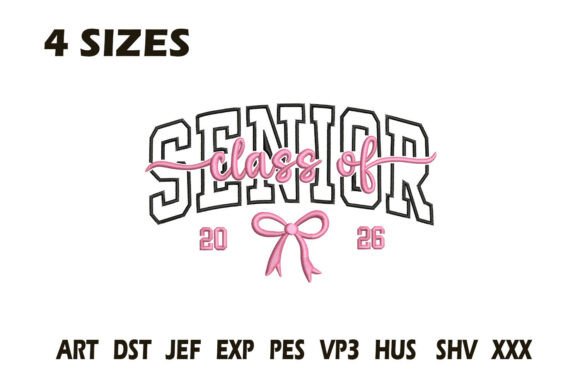
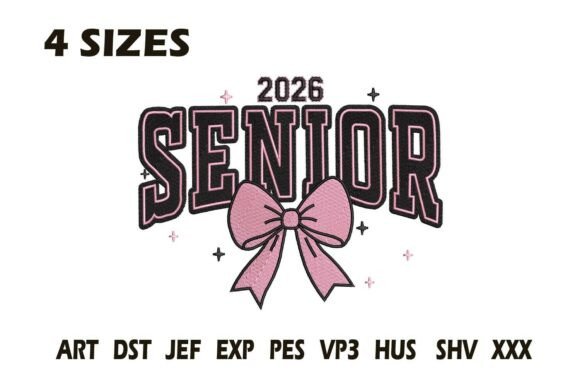
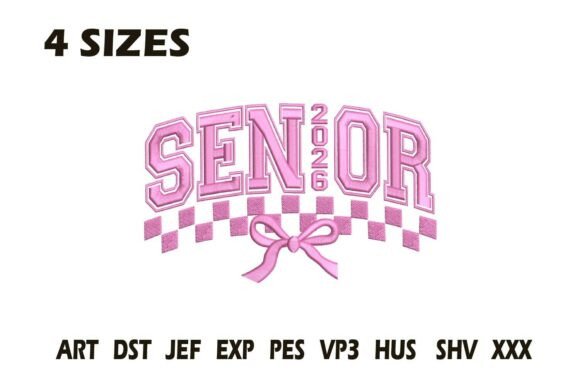
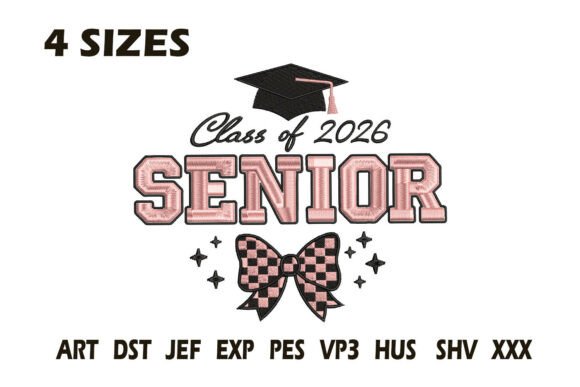
The first impression of the Senior Class of 2026 Checkered Bow is distinctly playful yet structured. The checkered pattern suggests a classic, preppy aesthetic that bridges the gap between nostalgic school spirit and modern boutique trends. For a small business owner or Etsy seller, this visual balance is crucial. It does not look like a generic clip-art graphic; rather, it possesses the charm necessary for handmade product lines while retaining enough clarity to serve as professional small business merch.
From a design perspective, the bow shape offers excellent framing potential. In commercial embroidery, symmetrical shapes are often easier to center and align on garments than asymmetrical illustrations. The checkered fill provides texture without requiring excessive stitch density, which is a significant advantage when embroidering on lighter fabrics like t-shirts or tote bags. However, because this design targets the "School" category, businesses must ensure the whimsical nature aligns with their specific brand voice. A high-end bakery might use this for a limited-edition senior promo, while a pet brand could adapt the bow for a "Class of 2026" puppy bandana line. The versatility lies in its ability to be both a standalone statement and a complementary accent.
Performance Across Business Applications
When integrating the Senior Class of 2026 Checkered Bow into a production workflow, versatility is key. I have evaluated this design across several common business use cases to determine where it excels.
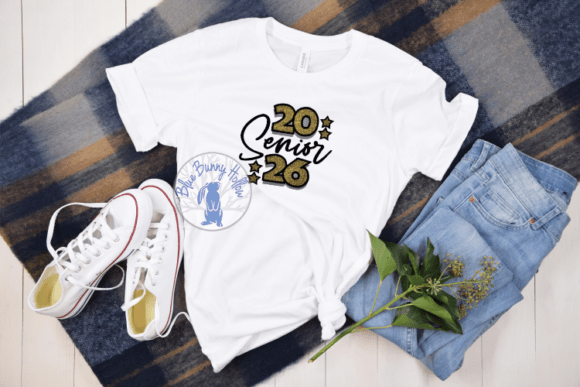
- Custom Apparel and Staff Uniforms: For cafes or retail shops hiring student workers, this design works exceptionally well as a pocket logo or sleeve detail. The bow’s compact footprint allows it to sit neatly on uniform polos without overwhelming the garment. It adds a personalized touch that fosters team spirit during graduation season.
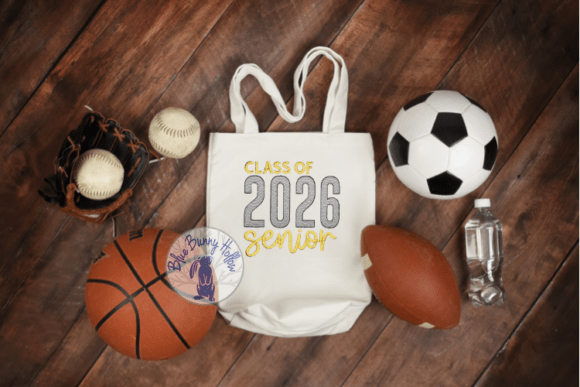
- Tote Bag Design and Packaging: Canvas totes are a staple for handmade brands. This design stitches out cleanly on untextured canvas, making it ideal for customer gift bags or event merchandise. The checkered pattern pops against natural cotton, creating a premium feel that enhances perceived product value.
- Apron Embroidery: For florists, bakers, or craft studios, aprons provide a large, flat stitching area. The Senior Class of 2026 Checkered Bow can be scaled up for chest placement or used as a repeating motif along hemlines. Its playful tone softens the utilitarian look of workwear, making staff appear more approachable.
- Embroidered Patch Production: This design has strong potential as a standalone patch. The defined outline typical of bow designs facilitates clean merrowed edges. Businesses can produce these patches in bulk to sell as add-ons or include them as loyalty rewards, maximizing the ROI of the digital embroidery file.
Technical Considerations and Production Limitations
Despite its charm, the Senior Class of 2026 Checkered Bow requires careful technical management. As with any embroidery file, assumptions can lead to production failures. Here are the specific areas where caution is required:
Cap Embroidery and Curved Surfaces
While bows are popular for headwear, cap fronts present unique challenges. The curved surface can distort horizontal lines, potentially making the checkered pattern appear uneven. Before running a full batch of cap embroidery, you must test the design on a curved hoop. You may need to adjust the pull compensation or slightly distort the digitizing to counteract the cap's curve. If the design contains tiny text elements within the bow loops, they may become illegible on a structured cap. Always verify minimum letter height before committing to headwear production.
Fabric Texture and Stabilizer Selection
The description notes suitability for towels and home decor, but textured fabrics can swallow fine details. If applying the Senior Class of 2026 Checkered Bow to terry cloth or fleece, a water-soluble topping is non-negotiable to prevent stitches from sinking. Conversely, on lightweight knits, using too heavy a stabilizer can cause puckering around the dense satin stitches likely found in the bow’s outline. Matching your backing weight to the fabric texture is essential for a professional finish.
Size Reduction Risks
Checkered patterns rely on precise color changes and alignment. Shrinking this design below its intended size can result in lost definition or thread breaks. If you plan to use this as a tiny label or tag accent, verify that the internal spacing remains open. Closed-up gaps in small-scale embroidery create hard, bulletproof spots that detract from the quality of the finished product.
Impact on Brand Identity and Customer Engagement
Incorporating the Senior Class of 2026 Checkered Bow into your catalog is more than a seasonal tactic; it is a strategic branding move. For businesses targeting Gen Z and their families, this design signals relevance and cultural awareness. It transforms standard inventory into timely, emotionally resonant merchandise.
Consistency builds trust. By using this design across multiple touchpoints—from printable mockup listings on Etsy to physical packaging inserts—you create a cohesive visual narrative. Customers recognize the effort put into curated design assets, which elevates the perceived professionalism of your brand. Furthermore, offering customizable options (such as changing thread colors to match specific school colors) increases buyer engagement and justifies higher price points for custom apparel.
Professional Designer Notes for Implementation
To ensure the Senior Class of 2026 Checkered Bow meets commercial standards, follow this pre-production checklist:
- Verify Licensing: Before selling any item featuring this design, confirm the commercial licensing terms included with the digital embroidery file. Ensure you are permitted to sell finished products and not just the digital file itself.
- Run a Black and White Test: Stitch the design in a single color first. This reveals the underlying structure and highlights any registration issues between the checkered fill and the outline that color changes might hide.
- Check Hoop Size Compatibility: Confirm the design dimensions fit within your machine’s maximum stitch area with adequate margin for hooping. Never push the limits of your hoop size, as this leads to flagging and misalignment.
- Create Client Mockups: Use a realistic printable mockup to show clients exactly how the design will look on their chosen garment. This manages expectations regarding size and placement before needle hits fabric.
- Audit Thread Contrast: The checkered effect depends entirely on contrast. Test thread colors under store lighting conditions. What looks distinct on screen may blend together in low-light retail environments.
- Inspect Wash Durability: If producing uniforms or towels, wash-test a sample. Ensure the design holds up to industrial laundering without fraying, especially at the points of the bow.
The Senior Class of 2026 Checkered Bow represents a valuable opportunity for embroidery businesses to merge trend-driven design with commercial utility. By respecting the technical requirements of machine embroidery design and strategically applying it across relevant products, shop owners can create merchandise that delights customers and strengthens brand loyalty. Always prioritize testing and verification to ensure every stitch reflects the quality your business stands for.