Oh What Fun is to Teach: Embroidery Review
As an embroidery designer who regularly sources files for commercial production and client commissions, I approach every new download with a critical eye. When browsing the School category on Creative Fabrica, the Oh What Fun is to Teach machine embroidery design immediately caught my attention. It promises personality and ease of stitching, two factors that are non-negotiable when producing custom apparel or handmade gifts for educators. After evaluating this digital embroidery file for potential use in real-world projects, here is my honest assessment of how it performs beyond the screen.
First Impressions and Visual Personality
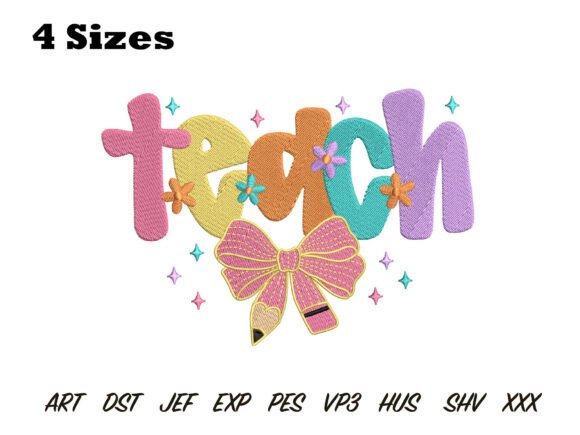
The visual mood of Oh What Fun is to Teach strikes a balance between professional appreciation and playful creativity. For those of us creating merchandise for teachers, school staff, or education-themed events, the typography and layout appear optimized for readability at various sizes. The design assets included suggest a versatile aesthetic that could work equally well on a casual tote bag design or a more structured sweatshirt embroidery project.
What stands out during the initial file review is the apparent consideration for stitch flow. A good embroidery file should not just look like a vector graphic; it must translate into thread logic. This design seems to prioritize clean transitions, which is essential when moving between text elements and decorative accents. For Etsy sellers and boutique owners, this level of detail matters because it reduces the risk of thread breaks and registration issues during high-volume production runs.
Evaluating Stitch Structure and Density
Before hooping any fabric, I always analyze the underlying structure of a digital embroidery file. While the product description highlights that this design is easy to stitch, practical application requires verifying specific technical details. Users should inspect whether the lettering utilizes satin stitch for crisp edges or fill stitch for larger areas. Satin stitches provide a classic, raised texture ideal for school spirit wear, but they require precise tension. Fill stitches offer better coverage on textured fabrics like canvas tote bags or denim aprons.
Stitch density is another critical factor. If you plan to use Oh What Fun is to Teach on lightweight knits or stretchy performance wear, ensure the density is not excessive. Overly dense designs can cause puckering or fabric distortion, compromising the quality of the finished product. Conversely, if the design includes running stitch details, verify they are substantial enough to remain visible after washing. I recommend opening the file in your embroidery software or machine preview to confirm these structural elements match your intended substrate before committing to a full production run.
Real-World Application Scenarios
This machine embroidery design shows significant promise across multiple product categories. Here is how I envision integrating it into actual commercial embroidery workflows:
- Custom Apparel: Perfect for teacher appreciation week sweatshirts or personalized t-shirts. The design’s personality allows for vibrant thread colors that pop against neutral garment bases.
- Tote Bags and Accessories: Canvas totes are a staple for educators. This design likely scales well to accommodate the heavier weight of bag materials without losing definition.
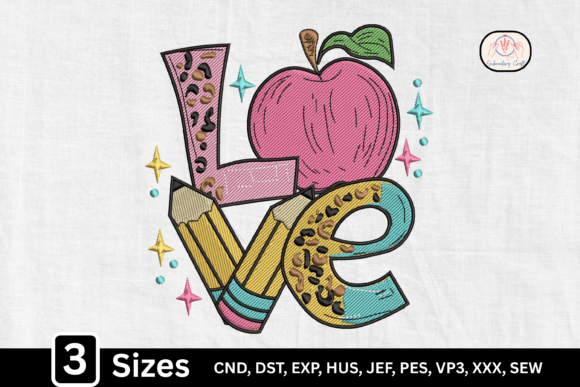
- Nursery and Classroom Decor: Beyond apparel, consider using this file for pillow covers or wall hangings in reading corners. The whimsical nature fits educational environments beautifully.
- Handmade Gifts: For craft fair vendors, this design offers quick turnaround potential. Kitchen towels or aprons featuring this motif make excellent, giftable items that resonate with buyers looking for thoughtful presents.
For those selling printable mockups alongside physical goods, the clear lines and distinct shapes of this design should photograph well, aiding in customer engagement and buyer trust.
Technical Considerations for Production
Success with Oh What Fun is to Teach depends heavily on proper preparation. As with any Creative Fabrica embroidery download, never assume one size fits all. Check the available hoop size options in the product details to ensure compatibility with your equipment. If you need to resize the design significantly, be aware that altering dimensions can affect stitch density and satin stitch width. Always test on scrap fabric that matches your final project’s weight and weave.
Stabilizer selection is paramount. For stretchy fabrics often used in custom apparel, a cut-away stabilizer provides necessary support to prevent distortion. For stable woven fabrics like tote bags or patches, a tear-away may suffice. If stitching on dark fabric, verify that the design includes adequate underlay or contrast considerations so the thread colors remain vibrant. Additionally, if you intend to create an embroidered patch version, check if the design includes a merrow border or if you will need to add one manually in your digitizing software.
Commercial Viability and Brand Consistency
For small business owners and creative entrepreneurs, licensing is as important as stitch quality. Before listing any finished product derived from Oh What Fun is to Teach, thoroughly review the license terms on the Creative Fabrica product page. Confirm whether commercial use is permitted and if there are limitations on the number of units sold or digital redistribution. Adhering to these terms protects your business and respects the original digitizer’s work.
From a branding perspective, this design offers consistency. Using a cohesive style across t-shirts, tote bags, and decorative pieces helps build a recognizable shop identity. The "fun" aspect mentioned in the title translates to emotional value for the end consumer, which is crucial for personalized gift markets. When customers see a design that feels authentic rather than generic, perceived value increases. This directly impacts pricing power and repeat business for handmade shop owners.
Final Thoughts for Embroiderers
Oh What Fun is to Teach appears to be a solid addition to any digitizer’s library focused on the education niche. Its versatility across apparel, accessories, and decor makes it a practical asset for both hobbyists and professionals. However, the true test lies in your specific setup. Always validate file formats, confirm stitch counts, and run test stitches on your target material.
By treating this digital embroidery file with professional diligence—checking density, selecting appropriate stabilizers, and respecting licensing—you can transform a simple download into high-quality, sellable merchandise. Whether you are fulfilling a bulk order for a local PTA or creating unique Etsy listings, this design has the potential to deliver both aesthetic appeal and production reliability. Just remember to verify all technical specifications on the product page before beginning your next project to ensure the best possible outcome for your handmade products.