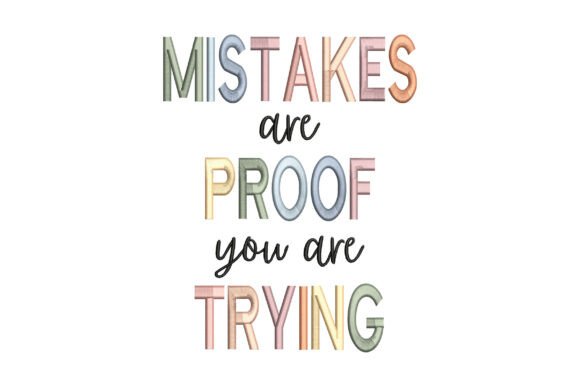
Mistakes Are Proof You Are Trying: Design Review
As an embroidery product reviewer and designer, I approach every new machine embroidery design with a healthy dose of skepticism. We have all downloaded files that look perfect on screen but turn into thread nests or distorted text once the needle hits the fabric. When evaluating "Mistakes Are Proof You Are Trying," my primary focus is not just the inspirational sentiment, but the technical execution required to make that sentiment legible and durable on real-world projects. This design falls under the School category, yet its application extends far beyond the classroom. It speaks to makers, students, and creative entrepreneurs who understand that the process is just as valuable as the result. My assessment below breaks down how this design performs when moved from a digital preview to a tangible finished product.
Visual Personality and First Impressions
The immediate mood of "Mistakes Are Proof You Are Trying" is encouraging without being childish. In the embroidery market, motivational quotes can sometimes feel generic, but this layout possesses a vibrant and imaginative flair that suggests movement rather than static block text. For a designer, the balance between negative space and stitch coverage is critical. This design appears to utilize a mix of typography styles that prevent the piece from looking too heavy or dense.
When I first loaded the digital embroidery file, I looked specifically at the lettering hierarchy. The word "Mistakes" carries visual weight, anchoring the design, while "Trying" offers a sense of upward momentum. This visual flow is essential for custom apparel where the garment itself moves with the wearer. A static, boxy design often looks stiff on a sweatshirt or tote bag, but this layout seems engineered to complement the drape of fabric. For Etsy sellers and small shop product creators, this aesthetic versatility is a major selling point; it bridges the gap between nursery decor and adult streetwear, allowing for a broader customer base.
Real-World Application: The Back-to-School Tote Test
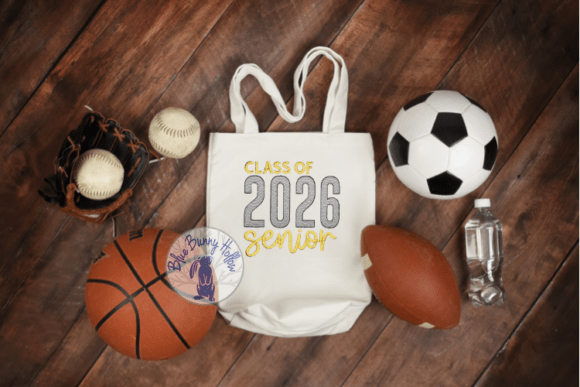
To truly judge this design, I mentally applied it to a specific scenario: creating a custom canvas tote bag for a high school senior or college freshman. This is a high-stakes embroidery project because canvas is unforgiving, and the end user expects durability. In this context, "Mistakes Are Proof You Are Trying" serves as both a decoration and a mantra for academic resilience.
For this tote bag design application, I considered how the stitches would interact with the coarse weave of natural canvas. If the design relies heavily on thin running stitch details, they might get lost in the fabric texture. However, if it utilizes adequate satin stitch borders or solid fill stitch areas, the contrast will pop beautifully. I envision stitching this in a deep navy or forest green thread against unbleached canvas for a classic, scholarly look. Alternatively, using variegated threads could highlight the "imaginative flair" mentioned in the product description, making each bag unique.
From a business perspective, this specific use case has high perceived value. Parents and students are willing to pay a premium for personalized gifts that carry emotional significance. Unlike a generic monogram, this quote tells a story. For craft business owners, offering this as part of a "Back to School" or "Graduation" collection provides a narrative hook for marketing. It transforms a simple accessory into a meaningful keepsake.
Technical Considerations and Fabric Compatibility
While the design is versatile, professional results depend entirely on matching the embroidery file to the correct substrate. Not all fabrics are created equal, and "Mistakes Are Proof You Are Trying" requires strategic planning depending on where you intend to stitch it.
- Stretchy Fabrics and Knits: If you are applying this to a t-shirt or sweatshirt, you must account for fabric stretch. Motivational text can easily warp if the stitch density is too high or if the stabilizer is insufficient. Always use a cut-away stabilizer for knits to maintain the integrity of the lettering after washing. Test the design on a scrap of the exact garment material first to ensure the text remains readable and doesn't pucker.
- Textured and Pile Fabrics: For towels or fleece blankets, the detail level is paramount. If the design includes delicate script or small accent elements, they may sink into the pile. In these cases, using a water-soluble topping is non-negotiable to keep the stitches sitting on top of the fabric. Verify that the smallest text elements are large enough to remain clear on high-pile surfaces.
- Dark vs. Light Fabrics: Contrast is key for legibility. On dark fabrics, ensure your thread colors provide sufficient brightness. Sometimes, what looks vibrant on a white screen background disappears on black cotton. Conversely, on white fabrics, avoid using white thread for outlines unless you are aiming for a subtle, tone-on-tone effect.
- Hoop Size and Placement: Confirm your hoop size before purchasing or stitching. Motivational designs often span a wider area than standard logos. If you are working with a smaller hoop, check if the design can be resized without compromising stitch quality. Reducing text-based designs too much can cause jump stitches to overlap or letters to merge.
Commercial Viability for Makers and Sellers
For those running an Etsy shop or a boutique, "Mistakes Are Proof You Are Trying" offers distinct commercial advantages. The phrase is evergreen; it sells during back-to-school season, graduation, teacher appreciation week, and even as mental health awareness merchandise. This reduces the risk of holding dead inventory. As a commercial embroidery asset, it allows for rapid production of small shop products that resonate with current cultural conversations around growth mindset and self-compassion.
However, professionalism dictates due diligence. Before listing any handmade product featuring this design, verify the licensing terms included with the embroidery file. Ensure you have the right to sell finished items versus just the digital file. Additionally, create accurate printable mockups or stitch out samples for your listings. Customers need to see how the design actually renders on fabric, not just the digital art. Showing the design on a variety of items—from a baby bib to an adult apron—demonstrates its range and helps buyers visualize the final result.
Designer Notes for Optimal Results
To ensure "Mistakes Are Proof You Are Trying" meets professional standards, adhere to these practical guidelines:
- Always Stitch a Test Sample: Never run this design directly on a client’s garment or expensive retail blank first. Variables like thread tension, bobbin type, and fabric batch can alter the outcome. A test run on similar scrap fabric reveals potential registration issues or density problems.
- Evaluate Stabilizer Pairings: The success of text-heavy embroidery lies in stabilization. For lightweight fabrics, consider a fusible mesh stabilizer to add body without bulk. For structured items like caps or collars, ensure the design fits within the safe stitch area to avoid needle strikes or distortion.
- Check Thread Color Contrast in Natural Light: Screen colors are deceptive. View your thread selection against the fabric in natural daylight to ensure the message is readable from a distance. This is especially important for holiday embroidery or school spirit wear where visibility matters.
- Inspect Small Details: After stitching, examine the corners of letters and any decorative flourishes. If you see looping or gaps, adjust your machine's tension or trim settings. Clean edges communicate quality and justify higher price points for custom apparel.
- Consider the End User: If this is for baby embroidery or children's wear, ensure the back of the embroidery is smooth or covered to prevent skin irritation. For items requiring frequent washing like kitchen towels or uniforms, verify that the thread type is colorfast and shrink-resistant.
Ultimately, "Mistakes Are Proof You Are Trying" is more than just a catchy phrase; it is a test of your own embroidery skills. By approaching this design with technical mindfulness and creative intention, you honor the message it conveys. Whether you are embellishing a simple tea towel or launching a new line of motivational apparel, let your craftsmanship be the proof that you are trying, improving, and creating with excellence.